Friday June 26, 2026
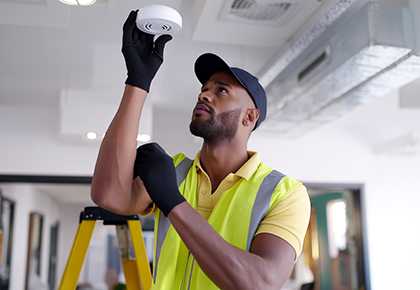 Fire alarms rarely cross anyone's mind until they go off at 3 a.m. or, worse, fail to go off at all. Yet for residents living in rentals, condominiums, high-rises, or HOA-managed communities, a properly maintained fire alarm system is one of the most critical layers of protection in any building.
Whether you are a board member, condo owner, or renter, understanding fire alarm maintenance is not just a regulatory requirement but a core part of responsible property stewardship. This guide walks you through everything you need to know, from maintenance schedules and troubleshooting tips to staying compliant with local codes.
What is fire alarm maintenance?
Fire alarm maintenance is the ongoing process of testing, inspecting, and servicing all components of a fire detection and notification system, including smoke detectors, heat detectors, pull stations, control panels, and backup batteries, to ensure everything functions reliably in an emergency.At its core, it serves two purposes: life safety and regulatory compliance.
Fire alarm maintenance schedules: what to do and when
One of the most practical frameworks for managing fire alarm upkeep is a tiered maintenance schedule based on the type of task and who is qualified to perform it. Here is a breakdown of the key intervals:-
Monthly maintenance
Monthly tasks are typically within reach of building staff or attentive residents and should include testing all detectors using the device's built-in test button. Although testing detectors using the built‑in test button verifies the internal circuitry, it may not confirm the device’s ability to detect smoke.
During the same walkthrough, check the indicator lights on each device and the main control panel, and document any active faults, warning lights, or error codes promptly, as these signals are the system's way of flagging a problem before it becomes a bigger one.
-
Quarterly and annual maintenance
Some tasks require a licensed fire protection technician. A certified professional should test required system components at intervals defined by NFPA 72 and the local authority having jurisdiction, which may include sensitivity testing, pull‑station checks, and battery servicing.
For boards and property managers, this report is essential for liability protection, regulatory recordkeeping, and confirming that alarm signals are transmitting correctly to any central monitoring service.
-
Every five to ten years: full device replacement
Smoke detectors and alarm units do not last forever. Manufacturers set expiration dates for their devices, often around 10 years for residential alarms, while commercial detectors follow manufacturer‑specific replacement guidelines. Once a device reaches that threshold, it should be replaced entirely, regardless of whether it appears to be functioning normally.
This is a requirement many property owners overlook, particularly in buildings where original detectors have never been swapped out. Boards and property managers should maintain records of installation dates and manufacturer specifications to track when replacements are due across the entire building.
Maintenance tips for common fire alarm issues
Even with a solid maintenance schedule in place, issues can arise between formal inspections. Knowing how to respond to the most common problems can prevent unnecessary alarm fatigue among residents and keep your system in good working order.If your detector chirps
An intermittent chirp from a smoke detector almost always signals a low battery. This is especially common in battery-powered units or those with backup batteries. Replacing the battery promptly resolves the issue in most cases.If you hear a repeating pattern, such as three chirps in a row, consult the device’s manual, as chirp codes vary by manufacturer and may indicate end‑of‑life, malfunction, or sensor contamination.
If the chirp pattern is caused by a dust or debris build-up inside the sensor chamber, gently vacuuming the exterior may help; commercial detectors should be cleaned or serviced only according to manufacturer and AHJ requirements. Avoid using compressed air or inserting anything into the device. If the chirping continues after cleaning, the unit may need to be replaced.
If a device fails a test
When a detector fails its test, start by replacing the battery and testing again. If the device still does not respond correctly, it has likely reached the end of its service life and needs to be replaced. Do not attempt to repair the internal components of a fire alarm device. These are life-safety instruments that must meet specific performance standards, and tampering with them may void certifications or introduce new failure points.For hardwired systems in multifamily or commercial buildings, a failed device should be reported to your property management team or licensed fire protection contractor immediately.
Preventing false alarms
Repeated false alarms can result in fines from local fire departments and erode residents' trust in the system. Keeping detectors clean through regular, gentle vacuuming of the exterior is one of the most effective preventive measures, as dust and insect debris are common triggers.Never paint over fire alarm devices, as paint clogs sensor openings and causes permanent malfunction, and any device accidentally painted must be replaced. If a detector near a kitchen or bathroom is triggering consistently without a fire event, it may need to be relocated by a qualified technician.
Fire alarm maintenance in rentals, condos, high-rises, and HOA communities
The responsibilities for fire alarm maintenance vary depending on the type of property you live in or manage. Understanding who is responsible for what prevents gaps in coverage and protects everyone in the building.The broader picture: fire alarm maintenance as part of community stewardship
-
Condominiums
In a condominium, responsibility is typically split between unit owners, who maintain detectors inside their own units, and the condo association, which oversees fire alarm systems in common areas, hallways, stairwells, and lobbies.
Governing documents should clearly define these responsibilities and residents should receive regular reminders about their in-unit maintenance obligations.
-
High-rise buildings
High-rise properties present a more complex fire alarm environment. Interconnected systems span dozens of floors, and the stakes of a malfunction are considerably higher. Buildings of this size typically rely on comprehensive annual inspections by licensed contractors and are subject to more frequent testing requirements under local fire codes.
Professional property management companies that specialize in luxury high-rises understand that life safety systems are non-negotiable components of the resident experience.
-
HOA communities
For homeowners associations governing townhomes, single-family neighborhoods, or mixed-use communities, fire alarm responsibilities may be more distributed. Common areas, clubhouses, fitness centers, and any shared structures fall under the HOA's maintenance obligations.
Individual homeowners are often responsible for devices within their homes, though in some attached‑home communities, interior detectors may be part of the shared fire alarm system as defined in the governing documents.
-
Rental properties
Renters add another layer to the overall property‑type landscape, since they don’t own the unit but depend on it being properly equipped. Responsibilities vary by jurisdiction, but landlords typically handle installation and maintenance, while tenants may be responsible for basic upkeep such as reporting issues or replacing batteries where permitted by law.
Lease agreements often spell out these responsibilities in detail, and renters living in a condo, high-rise, or HOA community should also understand that the building’s common-area fire alarm systems remain the responsibility of the association or management company, regardless of who occupies the individual units.
At FirstService Residential, we understand that managing a property means attending to every layer of the tenant and resident experience, including the safety systems residents rarely see but always depend on.. Our property management teams work with certified vendors, support property owners and boards in meeting their compliance obligations, and help communities and buildings develop the operational infrastructure that protects both people and property for the long term.
If you have questions about fire alarm maintenance requirements for your community, contact us today.
This information is provided for general informational purposes only and is not intended to constitute, and should not be relied upon as, legal, regulatory, financial, or operational advice, or as a representation or guarantee of any specific services, capabilities, or outcomes. Property management needs, regulatory requirements, market conditions, and available services vary by jurisdiction, property type, and community. FirstService Residential provides services through locally based affiliates and associates, and services and results may vary by community, region, contractual terms, and applicable law.