Thursday February 05, 2026
As a board member, you might come across communities governed by a homeowners association (HOA) or a community development district (CDD), the latter sometimes called a special district. While most of us are familiar with HOAs, the term CDD often brings questions. Understanding what a CDD is can provide clarity on how these unique communities function, are funded, and are managed. This guide will walk you through the details of a CDD, from its fundamental structure to future trends.What is a CDD?
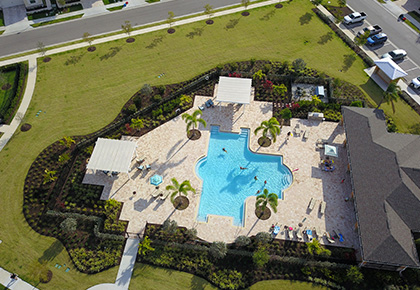 A CDD (community development district) is a special-purpose local government created to finance, build, and maintain the public infrastructure for a community. Think of it as a developer's tool to fund large-scale projects that include roads, water management systems, and amenities.
A CDD, a public entity, serves the primary function of supporting developers in financing project infrastructure, as well as managing the ongoing maintenance of that public infrastructure. The public versus private distinction is the most significant differentiator between an HOA and a CDD.
Learn more in our article "CDD vs. HOA: Understanding the key differences".
How do CDDs operate?
Because a CDD is a form of local government, operating like a city but with limited powers, it must adhere to a level of transparency and accountability similar to a city or county council. This structure has several key components that define its operations.Governance and elections
A CDD is governed by a board of supervisors, much like a board of directors governs an HOA. Initially, these board seats are held by the developer or its representatives. At a specific time in the lifecycle of the community, as required by local laws, the seats transition to residents publicly elected by their peers who are qualified electors (registered US citizens and residents of the district and the state). This process is aligned with public elections, held at the same time as general elections in even-numbered years."The supervisors are elected in the same way as a city would elect its council," notes Lucianno Mastrionni, vice president at Rizzetta & Company, a FirstService Residential company. This means residents run for office and are chosen by their peers through the official municipal election process. This process is quite different than electing an HOA board, which is typically done at an annual meeting, according to its private governing documents.
Transparency and public access
As a public entity, a CDD is subject to the state’s Sunshine Law, requiring a high degree of transparency. All meetings are public, and all records, including financial documents, meeting minutes, and contracts, are available for public inspection. This means anyone, not just residents, can access district information.Public amenities
When a CDD owns and maintains amenities like a clubhouse, pool, or fitness center, these facilities are technically public. While this doesn't grant open access to the public in general, it does mean the district must offer a way for non-residents to purchase access. A "non-resident user fee" is established, allowing people from outside the community to buy an annual membership to these amenities.The cost of a CDD
Living in a CDD involves specific fees that are structured differently from typical HOA dues. Fees are collected annually as an assessment through the property tax bill and are used to pay off the bonds that funded the community's infrastructure, as well as the ongoing operations and maintenance (O&M) of the community."The CDD fee is not a separate monthly bill, but an assessment included with your yearly property taxes."This assessment is composed of two parts:
Taylor Nielsen, manager at Rizzetta & Company
- Bond repayment: Covers the debt from bonds used to build infrastructure; typically paid off within 20–30 years.
- Operations & Maintenance (O&M): Pays for yearly upkeep of public infrastructure, including landscaping, amenities, common utilities, and management; payment for O&M continues as long as the district maintains the area.
Understanding CDD management
Highly specialized management is critical for the long-term success of a CDD. The responsibilities are complex, requiring expert knowledge in governmental accounting, public finance, engineering, and field services. A CDD’s board of supervisors typically partners with a professional management company with expertise that goes beyond that of typical residential property management companies. CDDs need a partner that provides strategic guidance to the board of supervisors and leads day-to-day operations.A management partner provides essential services, including:
- Financial management: Handling governmental accounting, budget preparation, and bond administration.
- Administrative services: Organizing public meetings, preparing agendas, recording minutes, and maintaining all public records in compliance with state laws.
- Field services: Overseeing the maintenance of all public infrastructure, from stormwater systems and landscaping to amenity facilities. This can include managing vendors, conducting inspections, and executing capital improvement projects.
- Amenity and lifestyle management: For highly amenitized communities, this involves staffing facilities, managing access, and developing lifestyle programming like fitness classes and community events.
What to look for in a property management partner for your CDD
For both developers establishing a new district and resident-controlled boards of supervisors, selecting the right management partner is a crucial decision. CDDs have unique requirements, so it’s important to partner with a firm with proven expertise and a comprehensive service offering.Key qualities to prioritize:
- Proven experience and turnkey solutions: Choose a partner with a strong track record in establishing and managing special districts. Firms with a strong track record in district establishment, especially locally, are highly valued.
- Integrated services: A partner that provides administrative, financial, and field support, streamlines operations, and delivers accountability.
- Amenity management expertise: As communities become more amenitized, management firms that can manage food and beverage, fitness and longevity programs, technology solutions, and lifestyle programming for residents, including active adults, children, and pets.
CDD management benefits
Partnering with an experienced CDD management company offers significant benefits for both developer and resident-controlled boards of supervisors. The primary advantage is gaining a partner with proven expertise that can help the board efficiently navigate the complexities of district governance and operations.The right management partner will offer:
- Strategic guidance: Helping efficiently navigate the establishment process, including handling petitions, legal and engineering requirements, and impact reports.
- Strong professional network: Building relationships with bond counsel, engineers, and officials to streamline approvals.
- Operational efficiency: Offering integrated systems for district setup, assessments, accounting, and maintenance.
- Financial stability: Leveraging tax-exempt bonds for projects, offering low-interest funding, and protecting the community's assets.
- Regulatory compliance: Adhering to public access laws, maintaining accurate records, and providing transparent reporting for boards and residents.
- Property value protection: Overseeing infrastructure and amenity maintenance, conducting, regular inspections, and implementing proactive measures to protect assets, maintain appearance, and helping preserve property values.
Why selecting the right CDD management partner matters
Selecting the right management partner is essential to the success of a CDD, and the wrong choice can result in operational, financial, and even legal challenges:
- Lack of specialized expertise: Managing a CDD differs from managing a typical HOA. Firms lacking CDD experience may mishandle governmental accounting, bond compliance, and public records laws, causing costly mistakes. Developers should seek highly experienced partners, from the complex establishment phase to ongoing management.
- Poor communication and legal risks: Board members often note communication gaps as a primary concern of living within a managed community. In a CDD, where transparency is required, a lack of proactive communication can erode resident trust and lead to legal disputes, audits, or regulatory action, putting the board and community at risk.
- Deferred maintenance: A management partner that doesn’t prioritize must infrastructure and upkeep can create long-term financial burdens, especially for CDDs, which often feature amenities such as parks, clubhouses, pools, and recreational facilities. Without regular inspections or field expertise, minor issues can become major expenses and affect curb appeal, sales, and resident costs.
CDD trends and insights
The landscape of CDDs is evolving. As we look forward, several key trends are shaping the future of these communities and their management.Increasing popularity and expansion
Developers continue to leverage this financing tool to build large-scale, master-planned communities."Although CDDs originated in Florida, we are starting to see the concept expand to other states."
Taylor Nielsen, manager at Rizzetta & Company
Focus on lifestyle and amenities
The demand for communities where residents can live, work, and play is rising, especially among active adults (55+). Residents seek amenities like golf courses, pickleball courts, on-site dining, and lifestyle programs. These features not only enhance market appeal but also drive substantial property value appreciation. To capitalize on this trend and maintain a competitive edge, the CDD financing structure is becoming even more essential for developers to deliver differentiated, high-value communities.The evolution of technology
Technology is transforming property management, including CDD operations. Solid management companies are adapting and investing in technology to meet board and resident expectations. Tools like FirstService Residential’s HODA®, their Homeowner Digital Assistant, streamlines communication and provides residents with an option for immediate attention to most common questions.Ultimately, a CDD provides an effective structure for developing and sustaining well-maintained communities. By understanding CDDs, how they operate, and what to look for in a management partner, developers and boards can better navigate this unique form of community governance.