Monday March 02, 2026
Across the western United States, community associations are navigating stronger storms, flooding, wildfires, and longer recovery periods. For HOA board members, that reality brings real responsibility. When conditions change quickly and information is incomplete, boards are expected to protect residents, safeguard association assets, and make decisions that will stand up legally and financially long after the storm has passed.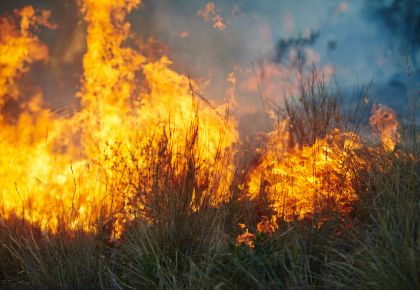 Preparedness has become a defining issue for community leadership. According to the Community Associations Institute (CAI), more than 75.5 million people live in community associations nationwide, many in regions increasingly affected by severe weather and natural disasters. Risk management and emergency planning are no longer “nice to have” discussions. They are core governance responsibilities with direct implications for resident safety, financial stability, and board liability.
On March 18, 2026, HOA board members are invited to join a timely, education focused webinar designed to help communities think more strategically about risk and readiness. Weathering the storm: Risk management and emergency preparedness takes place at 4 p.m. CST, 2 p.m. PST, and brings together experienced leaders from community operations and insurance to share insights shaped by real events, not hypotheticals.
Why preparedness looks different today
Recent storms and fires have shown how quickly a localized incident can escalate into a communitywide crisis. A single weather event can disrupt utilities, displace residents, damage shared property, and trigger complex insurance claims all at once.At the same time, the operating environment for associations has grown more challenging. CAI research continues to point to rising insurance costs, tighter coverage terms, and greater scrutiny on how boards manage risk before and after a storm or fire. Insurers, residents, and regulators alike expect boards to demonstrate foresight, documentation, and sound decision making.
Residents’ expectations have also shifted. In moments of crisis, homeowners want clear communication, transparency, and reassurance that their board is prepared to lead. When those expectations are not met, frustration and conflict often follow, compounding an already difficult situation.
Preparedness directly affects a board’s ability to meet its fiduciary duty. Communities that understand their risks, maintain appropriate coverage, and align on response protocols are better positioned to minimize damage, control costs, and support residents through recovery. Communities that are unprepared often face delayed claims, disputes over responsibility, and avoidable financial strain that can linger for years.
A practical conversation, grounded in experience
This webinar is designed to reflect the realities boards face today. It will be moderated by Mathew Eberius, vice president at FirstService Residential, who will guide a candid conversation focused on practical considerations rather than theory.Joining him are two subject matter experts who have experience supporting communities through emergency events and recovery:
- Sara Hardin, general manager at FirstService Residential, brings an operational perspective shaped by partnering with boards before, during, and after crises. Her experience highlights where preparation makes the biggest difference and where gaps most often appear.
- Sean Gaynor, director of insurance at FirstService Financial, Inc., offers insight into how insurance decisions, documentation, and timing can significantly influence outcomes when a claim is filed.
From awareness to readiness
For many boards, risk planning starts with a simple but challenging question: Are we actually prepared, or do we just assume we are?Smart preparedness begins well before storm or fire season. It requires boards to understand the unique vulnerabilities of their community, from aging infrastructure to geographic exposure, and to align on how decisions will be made under pressure. It also requires collaboration between boards and management, with clear roles, authority, and communication pathways established in advance.
Insurance plays a critical role in that planning, yet it remains one of the most misunderstood aspects of HOA governance. Coverage limits, exclusions, deductibles, and documentation requirements can all shape recovery outcomes. Boards that review coverage regularly and understand their responsibilities are far better equipped to respond when an event occurs.
The webinar will touch on how proactive planning, thoughtful documentation, and informed questions can help boards avoid common pitfalls that delay recovery or increase liability.
Leadership during uncertainty
When an emergency occurs, boards are called on to lead through uncertainty. Decisions must often be made quickly, with incomplete information and competing priorities. In these moments, preparation shows.Strong board and manager collaboration is essential. Communities that have discussed response authority, financial thresholds, and communication protocols in advance are able to act decisively without confusion or delay. Those that have not often lose valuable time clarifying roles when it matters most.
Communication is equally critical. Residents look to their board for reassurance and clarity, especially in the first 24 hours after an event. Clear, timely updates help manage expectations, reduce misinformation, and build trust, even when all the answers are not yet available.
Learning from real events
Across the country, recent storm events have underscored both the challenges and the opportunities facing community associations. Communities that invested in preparedness have seen smoother recoveries and stronger resident confidence. Others have learned difficult lessons about the cost of waiting until a crisis hits.The panel will share reflections from real emergencies, highlighting practices that have proven most valuable and missteps boards can avoid. These insights are shaped by experience and meant to help board members think more clearly about what preparedness looks like in their own communities.
The conversation will close with a practical perspective from each panelist, focused on one action boards can take in the near term to strengthen readiness and resilience.
Who should attend
This webinar is designed for HOA board members who want to better understand risk, insurance, and emergency planning in a changing environment. Whether your community has recently experienced a disruptive event or is looking to strengthen its approach before the next one, the discussion will offer relevant insights grounded in today’s realities.Join the conversation
Preparedness is not about eliminating risk. It is about making informed decisions that protect residents, preserve assets, and support recovery when the unexpected happens.Weathering the storm: Risk management and emergency preparedness
March 18, 20264 p.m. CST, 2 p.m. PST
Register here: https://learn.fsresidential.com/webinar-risk-management-and-emergency-preparedness