Tuesday November 03, 2026
How high-rise boards can prepare for unexpected property losses: An interview with Alex Nguyen
 For high-rise boards, resilience isn't an abstract concept. It's a practical responsibility tied to resident safety, property values, and how quickly a community can get back on its feet when water intrusion, fire damage, or a severe storm hits.
Today's boards face growing pressure to plan for disruptions that can affect building systems, daily operations, and resident quality of life. While having the right insurance remains an important part of risk management, recovery also depends on broader preparation before an incident occurs.
Understanding building vulnerabilities, maintaining critical infrastructure, documenting key information, and establishing trusted response resources can significantly reduce disruption when unexpected events arise.
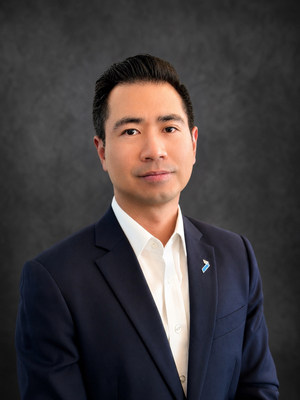
To better understand how boards can strengthen preparedness and navigate the challenges of loss mitigation and remediation, we spoke with Alex Nguyen, senior vice president of strategy and operations at FirstService Residential. He shares insights on the risks high-rise communities face today, the importance of proactive planning, and how boards can position their buildings to respond more effectively before, during, and after a loss event.
Q: Why should boards focus specifically on water, fire, and storm losses?
"These are among the most disruptive risks a building can face, because they can affect common areas, individual units, building systems, resident access, and daily operations all at once.
Water damage is one of the most common drivers of property claims, and storm-related issues can quickly expose weaknesses in roofs, drainage, or exterior components. Fire events are less frequent, but the consequences can be severe.
Boards don't need to predict every scenario, but they need a clear understanding of where their building is vulnerable and what steps reduce avoidable damage."
Alex Nguyen, senior vice president of strategy and operations at FirstService Residential
Q: How does FirstService Residential support its managed high-rises in addressing these risks?

"We recently launched a program called Resilience FirstSM to help communities prepare for and respond to water, fire, and storm losses through a more organized, proactive approach. The program was designed to turn that responsibility into a structured, manageable process for volunteer leaders who are already balancing a great deal.
By leveraging our scale and our network of trusted partners, the program gives high-rises access to coordinated services, negotiated pricing, and responsive support that would be difficult for an individual building to secure on its own. Depending on a high-rise's needs and what's available in the market, that can include pre-loss inspections, emergency planning support, and a clearer path to the right resources when an incident occurs."
Q: What does that pre-loss preparation actually look like in practice?
"It starts with visibility. Through the program, boards get a clearer picture of the condition of critical assets and which systems need regular attention, along with organized documentation — inspection records, maintenance history, vendor contacts, warranties, and insurance requirements — kept current and accessible rather than scattered across email threads and filing cabinets.
The goal isn't to create a complicated process; it's to give boards a simple, actionable plan before being forced to make decisions under pressure. When that information is already organized, a board can show what was done before a loss and move quickly once one occurs, without losing time hunting for basic information in a stressful moment."
Q: How can boards assess whether their community is prepared for a loss event?
"One of the best places to start is by asking simple questions. Do we know the condition of our critical building systems? Are emergency contacts current? Is important documentation organized and readily available? Has the board reviewed response procedures recently?
Preparedness is often less about creating new processes and more about understanding whether existing information and resources are accessible when they're needed most.
Many high-rise boards discover gaps only after an incident occurs. Conducting periodic reviews of building systems, emergency plans, vendor relationships, and insurance documentation can help identify opportunities for improvement before a loss event forces a response. The more clarity a board has before an incident, the more effectively it can act afterward."
Q: When a loss does happen, what should boards prioritize?
"Once damage occurs, coordination becomes the priority. Boards are typically balancing safety concerns, insurance requirements, resident communication, contractor availability, and restoration decisions all at the same time.
This is where Resilience First does the most work behind the scenes: because we've already established roles, authority, and vendor relationships ahead of time, a board isn't scrambling to figure out who can authorize repairs or which contractor to call. Aligning insurance providers, contractors, and property management early in the process, rather than reacting in real time, helps streamline remediation, reduce confusion, and limit disruption.
Speed matters, but coordination matters just as much; a fast response without clear direction can still lead to delays or inconsistent messaging. A prepared board can move quickly while keeping residents informed and the recovery process organized."
Q: What role does communication play during recovery?
"Communication is one of the most important elements of any recovery effort. Residents want clear, timely information about safety, access, restoration progress, and what to expect next. Even when complete answers aren't immediately available, consistent communication helps reduce confusion and keep everyone aligned.
Boards also benefit from having a communication plan established before an incident occurs. Knowing who is responsible for updates, what channels will be used, and how information will be shared allows boards and their management teams to communicate more effectively during stressful situations. Strong communication helps support resident confidence, maintain trust, and oversee that recovery efforts remain organized from start to finish."
Q: How should boards think about balancing prevention with the reality that not every loss can be avoided?
"The goal isn't to eliminate every risk. That just isn't realistic. The goal is to reduce the frequency and severity of avoidable losses and improve the community's ability to respond well when something does happen. Preventive inspections, maintenance follow-through, emergency plans, and organized records all work together. If a loss occurs, that preparation helps limit damage, shorten disruption, and support a more efficient recovery."
Q: What's the most important takeaway for board members?
"Preparedness gives boards confidence. These risks can feel overwhelming for volunteer leaders managing complex responsibilities with limited time, but a practical program turns that into something manageable: understand the risks, organize the information, identify trusted resources, and know what to do next. That structure makes a real difference before, during, and after a loss."
"A prepared board can move quickly while keeping residents informed and the recovery process organized."A well-prepared high-rise community can often be better positioned to reduce disruption and recover more efficiently following a loss event.
Alex Nguyen, senior vice president of strategy and operations at FirstService Residential
Contact FirstService Residential today to learn how Resilience FirstSM can help high-rise boards identify vulnerabilities, organize critical information, and build a stronger foundation for resilience.
This information is provided for general informational purposes only and is not intended to constitute, and should not be relied upon as, legal, regulatory, financial, or operational advice, or as a representation or guarantee of any specific services, capabilities, or outcomes. Property management needs, regulatory requirements, market conditions, and available services vary by jurisdiction, property type, and community. FirstService Residential provides services through locally based affiliates and associates, and services and results may vary by community, region, contractual terms, and applicable law.