Wednesday September 16, 2026
What are HOA security cameras?
There are two common categories of HOA security cameras:- Association-managed systems cover shared spaces like entrances, clubhouses, pools, gyms, elevators, mailrooms, and parking areas.
- Resident-installed devices, including doorbell and porch cameras, sit on private property and must align with governing documents and applicable law.
Where can HOAs install security cameras?
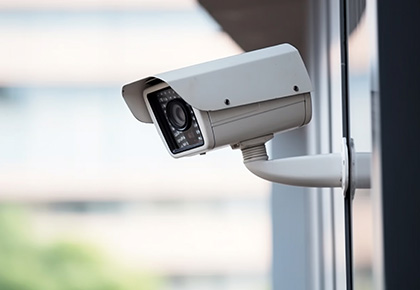 Boards may be able to install HOA security cameras in common areas where people typically would not expect privacy, such as building entrances, lobbies, mailrooms, gyms, pool decks (excluding changing areas), hallways, elevators, garages, parking lots, and perimeter gates.
Where are HOA security cameras not allowed?
HOA security cameras shouldn’t be placed in locations with a reasonable expectation of privacy, such as inside homes, private patios, fenced yards, bathrooms, locker rooms, or changing areas. They should not be positioned to capture interior windows or doors or to monitor individual units or balconies.What to include in your HOA security camera policy
A clear HOA security camera policy can help your board set expectations early:- Purpose and scope: Describe the system’s objectives (e.g., safety, incident documentation), the specific areas covered (entrances, common spaces, parking), and any locations excluded from monitoring to set expectations about where and why recording happens.
- Privacy: Clarify that cameras do not face private dwellings, restrooms, locker rooms, or other sensitive locations, and explain how camera angles, masking, or placement prevent capturing interiors of homes or private activities.
- Signage: Outline where notices are posted, what the signs say, and how residents, visitors, contractors, and delivery personnel are informed (e.g., welcome packets, emails, community portals) about the presence and purpose of the system.
- Retention: Specify default storage periods (e.g., 30–60 days), the circumstances that trigger extended retention for investigations or legal holds, and the process for securely deleting footage once retention periods end.
- Access: Identify who may review recordings, the internal approval process, how residents or third parties can submit requests, any verification requirements, expected response times, and how outcomes are communicated.
- Law enforcement: Explain when and how recordings may be shared with police or government entities, including required documentation (e.g., subpoenas, warrants, written requests), emergency exceptions, and how such disclosures are logged.
- Maintenance and audits: Describe schedules for equipment checks, software updates, clock synchronization, and security patches, along with periodic reviews of camera placement, access logs, and policy effectiveness.
- Prohibited uses: List activities that are not allowed, such as personal viewing, sharing clips outside authorized channels, posting to social media, using footage for neighbor harassment, or altering recordings without authorization.
Audio recording rules
It is uncommon for boards to install security cameras that record sound, as this introduces other legal and privacy concerns. This is especially true for cameras positioned outside of locker rooms and restrooms. If residents, guests, or building staff are unaware that their conversations are being recorded, even if these conversations take place in a common area, they could argue that they were subject to unlawful eavesdropping.If audio recording is necessary, consult with an HOA lawyer for specific advice on implementing prominent signage and clearly communicating about when and where audio recording takes place.
Technical features that matter for HOA security cameras
When comparing HOA security cameras, focus on the features that will affect image quality and costs:- Resolution: Higher megapixel counts can make it easier to spot details but require more storage and bandwidth.
- Low-light performance: Look for strong infrared, wide dynamic range (WDR), and low minimum illumination ratings.
- Field of view: Boards typically choose wider lenses for open areas and narrower lenses for gates and lobbies.
- Storage options: Options include on-camera SD, on-premises NVRs, and cloud storage. Many communities use hybrid approaches for redundancy.
HOA security camera footage access policies
Boards typically limit access to designated board members, HOA managers, or security personnel with role-based permissions. If someone needs access to footage, require written requests with case numbers when applicable.Set default retention (for example, 45–60 days) and extend this window only when tied to a documented incident or legal hold. Maintain access logs, watermark exports, and store evidence copies in secured, access-controlled locations.
Can homeowners install their own security cameras?
Many communities allow doorbell or exterior cameras on private property if devices face the owner’s lot or common area and do not capture neighbors’ interiors or exclusive-use spaces. HOA rules and regulations often address:- Camera placement
- Wiring
- Mounting methods
- Aesthetics
Is architectural approval required for homeowners to install security cameras?
Boards might require approval from the Architectural Review Board when installation alters a building exterior, penetrates walls, affects common elements, or introduces wiring visible to others. Submittals should include placement diagrams, device specs, conduit or cable routing, color and finish, and any privacy masking settings. Temporary, battery-powered devices that do not alter structures may fall under expedited review if your HOA rules allow.How FirstService Residential can help
HOA security cameras can add another layer of work for an already busy board. FirstService Residential, North America’s leading property management company, can help simplify the process by supporting boards from planning through ongoing management.We can help assess what the community needs, coordinate proposals and installation with qualified vendors, organize maintenance schedules, communicate policies clearly to residents, and put clear procedures in place for footage access and requests. When privacy or legal questions come up, we can also help connect the board with association counsel so decisions are made with the right guidance.
Contact FirstService Residential today to learn more about how we can support your HOA.
This information is provided for general informational purposes only and is not intended to constitute, and should not be relied upon as, legal, regulatory, financial, or operational advice, or as a representation or guarantee of any specific services, capabilities, or outcomes. Property management needs, regulatory requirements, market conditions, and available services vary by jurisdiction, property type, and community. FirstService Residential provides services through locally based affiliates and associates, and services and results may vary by community, region, contractual terms, and applicable law.