Tuesday April 07, 2026
What is a community association landscape?
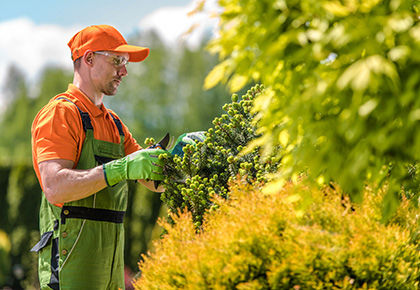 At its simplest, a community association landscape is the shared outdoor environment that defines the livability of where your residents live. It encompasses everything from mowed turf and pruned hedges to maintained trees, pathways, and common-area gardens. However, its impact goes far beyond aesthetics.
Research consistently shows that more than 70% of homebuyers rank curb appeal as a key factor when choosing where to live. Unlike roads or sidewalks, which naturally depreciate over time, well-maintained landscaping actively enhances property value and attracts prospective buyers.
Community landscape design examples
Great community landscaping doesn't happen by accident. It starts with intentional design. Here are four design approaches that consistently deliver results across different association and community types:Native and adaptive planting
The smartest landscapes work with nature, not against it. Selecting grass, tree, and shrub species native to your region means they've already adapted to local rainfall, and seasonal temperature swings.This will result in lower water bills, less fertilizer, fewer pest problems, and a landscape that looks healthy year-round with minimal intervention. In drought-prone areas like the Southwest, this isn't just a design choice, it's a financial one.
Layered landscaping
Think of your community's green spaces in three tiers: ground cover hugging the earth, mid-height shrubs adding structure and color, and canopy trees providing shade and majesty overhead. This layered approach creates depth and visual interest that flat, single-tier plantings simply can't match. These do more with the layered plantings naturally crowd out weeds by limiting the sunlight and space they need to take hold.Seasonal color rotation
When a community looks cared for, residents feel it. One of the most impactful and often overlooked ways to reinforce that feeling is through seasonal color rotations at your entrance and high-visibility areas.Season-specific landscaping choices like cool-season pansies in winter and vibrant impatiens in summer create a simple, cost-effective strategy that keeps your community looking intentional and well-maintained.
Sustainable water management
Today's best-managed communities are integrating smart irrigation practices: drip systems that deliver water directly to root zones, rain sensors that automatically pause during wet weather, and drought-tolerant species that maintain a beautiful appearance without excessive resource demands. The result is a community landscape that performs better, costs less to maintain, and properly represents environmentally conscious residents/prospective buyers.5 tcommunity landscape management tips
Whether your community is professionally managed or self-managed, these five principles form the backbone of any effective landscape program. Follow them consistently, and you'll protect one of your community's most visible and valuable assets.-
Choose the right management model
A well-maintained community landscape doesn't happen by accident. It's the result of the right people and the right equipment working in sync with a well-rounded schedule. For most HOAs, that means partnering with a professional landscaping firm rather than managing it alone.
Communities working with a property management company benefit from an established network of vetted contractors and certified specialists, with oversight already built into their management structure. For self-managed communities exploring a better approach, a trusted property management partner can be the first step toward a landscape program that truly delivers.
-
Stay ahead of weeds
Weeds aren't just unsightly; they're aggressive competitors. Left unchecked, they can hurt the plants you want in various ways. Thankfully, there are many options for weed removal. Manual removal works well for small infestations. Targeted herbicides handle larger problems quickly and efficiently, though they should be applied carefully to minimize environmental impact. Natural alternatives include diluted vinegar, boiling water, and corn gluten meal, which can take longer but suit communities with sustainability priorities.
For the most durable long-term solution, invest in density. A well-maintained lawn and full-coverage planting scheme are the best weed deterrent there is. Healthy plants crowd out the competition before it ever gets established.
-
Design for your local environment
Before a single plant goes in the ground, do your homework. Which grass varieties thrive in your specific climate? What soil conditions are you working with? How much rainfall does your region typically receive and when? The answers shape every planting decision you make.
Work with your landscaping contractor or property manager to develop a cohesive design plan that accounts for the basics. Once the design is in place, commit to the ongoing maintenance that keeps it healthy. This includes fertilizing on schedule, mowing grass to its optimal height, adjusting watering frequency with the seasons, and enriching soil that needs a nutritional boost.
-
Invest in your trees
If your community has mature trees, you have something genuinely valuable not just aesthetically, but financially. A healthy, well-placed, mature tree can add thousands of dollars to adjacent property values. It is important to keep up with scheduling regular trimming and pruning, fertilizing annually, maintaining proper mulch rings, and watching for early signs of disease or structural stress.
One often-overlooked risk: other maintenance activities can unintentionally harm your trees. In arid regions, even moderate lawn irrigation can damage drought-adapted trees nearby by altering soil moisture levels they've adapted to over decades. A certified arborist or a knowledgeable property manager can help you spot and avoid these conflicts before they become expensive problems.
-
Invest in knowledge
A beautiful, well-functioning community landscape doesn't start with a contractor, it starts with an informed board. When the people overseeing landscape decisions understand what good looks like, residents benefit directly through smarter spending, stronger vendor accountability, and green spaces that are maintained with genuine intention.
Boards and grounds committees can build that expertise through their property management partner, local Cooperative Extension Services, university horticulture programs, and trusted industry publications. Every hour invested in landscape literacy translates into better outcomes for the community you serve.
Protect your community association's landscape investment
Your community's landscape is a living reflection of your neighborhood's standards. A well-planned landscape maintenance delivers measurable returns including a stronger curb appeal, sustained property values, and a community that residents are genuinely proud to call home.From thoughtful design and smart planting to expert tree care and sustainable water management, every dollar directed toward your outdoor environment is an investment in your community's long-term future.
Is your association ready to elevate your community landscape? Contact FirstService Residential today.
This information is provided for general informational purposes only and is not intended to constitute, and should not be relied upon as, legal, regulatory, financial, or operational advice, or as a representation or guarantee of any specific services, capabilities, or outcomes. Property management needs, regulatory requirements, market conditions, and available services vary by jurisdiction, property type, and community. FirstService Residential provides services through locally based affiliates and associates, and services and results may vary by community, region, contractual terms, and applicable law.