Thursday September 18, 2025
Choosing the right place to call home involves weighing numerous factors, from location and amenities to community culture and long-term investment potential. Master-planned communities have emerged as increasingly popular housing options across North America, offering a unique blend of convenience, amenities, and community engagement. However, like any housing choice, these developments come with both advantages and drawbacks that potential residents must carefully consider.Understanding the pros and cons of master-planned communities is essential for making an informed decision about whether this lifestyle aligns with your priorities, budget, and long-term goals. From enhanced safety features and resort-style amenities to HOA fees and design restrictions, these communities present a distinct living experience that differs significantly from traditional neighborhoods.
What is a master-planned community?
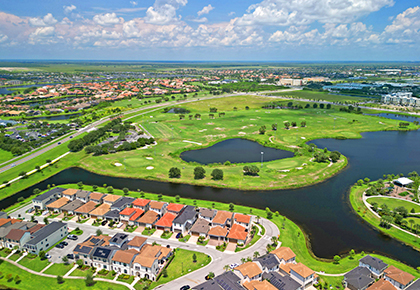 Master-planned communities are large-scale, highly amenitized residential developments that have been thoughtfully designed with many aspects of daily life in mind. According to community association industry definitions, these communities typically feature several key characteristics that set them apart from conventional neighborhoods.
Starting with size, master-planned communities generally encompass anywhere from 500 to 1,000 or more homes. These developments are usually built in phases across hundreds or even thousands of acres, creating expansive residential environments that feel more like self-contained cities than traditional subdivisions.
The "highly amenitized" aspect means these communities often feature pools, fitness centers, walking trails, clubhouses, golf courses, restaurants, tennis courts, and increasingly popular amenities like pickleball facilities. All of these features are woven into a built environment where residents can connect, stay active, and simplify their daily living experience.
Master-planned communities are designed to be more than just four walls and a roof. They provide access to recreation, wellness opportunities, and chances to connect through social clubs. Conveniences like schools and retail are often integrated into the design as well. The goal is to make everything people need part of their everyday environment, creating what industry experts call lifestyle living.
As Mark Pacheco, community manager at premier master-planned community Pecan Square, explains:
"While still under developer control, boards see the need for lifestyle and often are not worried about exceeding that threshold to make sure residents have the experiences they need. This boosts sales and helps the community grow."
Mark Pacheco, community manager at premier master-planned community Pecan Square
Pros and cons of living in a master-planned community
Living in a master-planned community offers pros like a strong sense of community, convenient amenities, enhanced safety, and well-maintained environments, which can increase property values. However, cons include higher costs from Homeowners Association (HOA) fees, limited exterior design choices, potential lack of privacy, and less diversity in local businesses. Ultimately, the best fit depends on individual priorities regarding cost, freedom, and amenities.Pros of living in a master-planned community
- Sense of community and social engagement: Many master-planned communities foster a strong sense of community through shared amenities, events, and organized activities, making it easier to connect with neighbors. These developments are specifically designed to bring residents out of their homes and into communal spaces, creating opportunities for meaningful connections and lasting friendships.
The programming and activation of amenities plays a crucial role in building community bonds. From outdoor concerts to fitness classes, financial planning workshops to wine and cheese events, master-planned communities offer diverse programming that appeals to various interests and demographics. This variety promotes that residents can find activities that match their preferences while meeting like-minded neighbors.
- Convenient amenities: These communities are designed with integrated amenities such as shops, restaurants, parks, gyms, and recreational facilities, allowing residents to access daily necessities and leisure activities within the community itself. The convenience factor cannot be overstated – having everything from grocery stores to healthcare facilities within walking or short driving distance significantly simplifies daily life.
Modern master-planned communities are incorporating innovative amenities that reflect current lifestyle trends. Communities are adding features like cold plunges, infrared saunas, and on-site nutritionists to support wellness and longevity goals. Pet amenities have also become increasingly popular, with some communities featuring dog groomers and specialized pet programming.
- Enhanced safety and security: Features like gated entrances, neighborhood security patrols, and well-lit, low-traffic streets contribute to a superior sense of safety and security for residents. The planned nature of these communities allows for strategic placement of lighting, clear sight lines, and controlled access points that enhance overall security.
The community-wide approach to safety extends beyond physical security measures. The strong social connections fostered in these environments often lead to increased neighborhood watch participation and residents looking out for one another.
- High property values and investment: Master-planned communities maintain pristine landscaping and consistently high standards, which helps stabilize and increase property values over time, making them a good investment. The comprehensive planning and ongoing maintenance create environments that remain desirable and competitive in the real estate market.
The amenities and lifestyle offerings in these communities often drive demand from potential buyers who are attracted to the resort-style living experience. This demand helps support property values and can lead to appreciation over time.
- High-quality maintenance: Residents benefit from well-maintained common areas, grounds, and public spaces, as the HOA handles landscaping and upkeep, creating a consistently beautiful environment. Professional management helps that community standards are maintained year-round, from seasonal landscaping updates to facility maintenance and repairs.
Cons of living in a master-planned community
- Possible higher costs: The comprehensive amenities and services come with higher upfront costs for homes, as well as ongoing HOA fees that can significantly add to the monthly expense of homeownership. These fees cover the maintenance of common areas, amenities, and services, but they represent a permanent additional expense that homeowners must budget for throughout their residence. However, these expenses provide homeowners with access to well-maintained common areas, premium amenities, and professional services that enhance the overall quality of life. By budgeting for these fees, residents invest in a community that prioritizes long-term value and a superior living experience.
As Raymond Tate, vice president of lifestyle and developer services at FirstService Residential, notes about budget concerns:"The boards need to be educated via transparency and proactive insights on future projects. Far too often boards receive a reserve study that details potential budget concerns over the next five years. This is rarely revisited in that time frame, so adjustments are not made. This can lead to unexpected expenditures that will affect the budget."
Raymond Tate, vice president of lifestyle and developer services at FirstService Residential - Rules and regulations: Residents must adhere to HOA guidelines, which can restrict exterior design choices, home renovations, and even pet ownership, limiting personal expression. These restrictions are designed to maintain community standards and property values and create a cohesive and aesthetically pleasing environment, fostering a sense of pride and satisfaction among residents who benefit from a well-maintained and harmonious neighborhood.
- Less Privacy: While a strong community is a benefit, the close proximity of homes and high degree of shared spaces can lead to less privacy for residents. However, the design emphasis on community interaction and shared amenities means that residents frequently encounter neighbors and participate in community activities, creating opportunities for meaningful relationships and a vibrant social atmosphere.
- Limited local options: Although self-contained communities may have fewer external options, they offer unparalleled convenience with nearby businesses, services, and schools tailored to residents' needs. This localized approach reduces travel time and fosters a close-knit environment where residents can enjoy a curated selection of amenities and services.
Mark Pacheco emphasizes a key challenge:"Getting communication out to the diverse buyers and making sure they read it."
The diverse resident base in master-planned communities can create communication challenges and varying expectations about community services and amenities.
Mark Pacheco, community manager at premier master-planned community Pecan Square
- Maintenance Costs: You are often required to pay for the upkeep of shared facilities, even if you don't use them, and costs can increase over time. HOA fees typically cover maintenance of all community amenities, regardless of individual usage patterns. This approach enhances property values and provides a high standard of living for everyone in the community, regardless of individual usage patterns.
The importance of professional property management
Managing master-planned communities requires specialized expertise that goes far beyond traditional homeowners association management. These communities operate as mini-cities with complex infrastructure, diverse amenities, and large resident populations that demand professional oversight and strategic planning.Professional management companies bring essential resources to master-planned communities, including expertise in financial planning, reserve studies, insurance negotiations, and vendor management. As Raymond Tate explains:
"More board are looking to committee involvement to plan lifestyle-oriented community engagement. The shortcoming of this strategy is there is no outside expertise to help craft a broader engagement strategy for the residents."The complexity of master-planned communities requires management teams with deep hospitality experience and the ability to deliver exceptional resident experiences. From coordinating thousands of invoices weekly for food and beverage operations to managing complex maintenance schedules across hundreds of acres, professional management ensures smooth daily operations.
Raymond Tate, vice president of lifestyle and developer services at FirstService Residential
Technology plays an increasingly vital role in efficient community management. Mark Pacheco notes:
"This is a vital part of communities like Pecan Square, but we have also just found out that as technology improves, a community must budget every 5 years for a major IT upgrade."Professional management teams stay current with technological advances and help communities plan for these necessary investments.
Mark Pacheco, community manager at premier master-planned community Pecan Square
Innovation in cost management also requires professional expertise. For example, Pacheco shares:
"At Pecan Square and many other large-scale communities, we irrigate from a pond that is filled by a well. The water costs associated with this process are much cheaper than city water."These types of creative solutions require experienced management teams who understand both operational efficiency and long-term sustainability.
Mark Pacheco, community manager at premier master-planned community Pecan Square
Professional management also provides crucial communication expertise. Tate emphasizes:
"There is also a 'miss' when it comes to online portal engagement. Utilization of a strong and intuitive online portal gives residents a hub for community involvement. This is especially relevant to new residents in the community who want to engage their neighbors but don't know where to begin."
Raymond Tate, vice president of lifestyle and developer services at FirstService Residential
Making informed decisions with industry expertise
For boards managing master-planned communities, access to comprehensive data and industry expertise is essential for making informed decisions about budgeting, amenity planning, and long-term strategic planning. Understanding how your community compares to similar developments across North America provides valuable context for decision-making.Industry benchmarking helps boards set realistic budgets and align resident expectations with financial realities. Raymond Tate explains:
"The BENCHMARK report is what can be considered the 'bones' of constructing a curated management plan for boards. Having guidance from a document with expertise outside of their community allows for us and prospective boards to engage in future planning discussions regarding budget preparation and responsible community spending for resident engagement."
Raymond Tate, vice president of lifestyle and developer services at FirstService Residential
Watch our expert panel discussion on master-planned community trends
Watch this comprehensive panel discussion featuring FirstService Residential’s team of industry experts who share insights on managing master-planned communities, from budgeting strategies to amenity programming. Leveraging insights from BENCHMARK master-planned guide, a report analyzing operating budgets from over 400 master-planned, large-scale, and highly amenitized communities across the U.S, you can learn about the latest trends, challenges, and solutions that are shaping the future of master-planned community management.
Download your free BENCHMARK master-planned guide
Access the comprehensive BENCHMARK master-planned community guide to gain valuable insights to help board members navigate rising costs, unexpected expenses, and growing resident expectations.The guide includes a detailed analysis of real operating budgets, amenity trends, staffing strategies, and financial benchmarks from master-planned communities across North America. Whether you're evaluating your current community's performance or planning for future improvements, this resource provides the industry expertise you need to make informed decisions.
Download the BENCHMARK master-planned report here.
To learn more about how FirstService Residential can support your community, contact a member of our team.