Monday July 20, 2026
What is a bare land strata?
A bare land strata in British Columbia is a type of strata development where land is divided into individual lots that often look like a typical single-family home neighbourhood but are governed by the Strata Property Act. Owners hold title to their specific lot and own the home on it, while sharing ownership and responsibility for common property such as roads, utilities, and amenities.Bare land stratas vs. traditional stratas
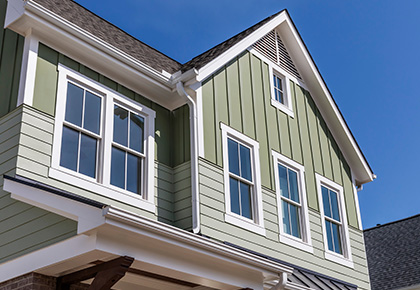 In a traditional strata, ownership is typically based on the boundaries of a building, including the walls, floors, and ceilings of a condo or townhome (Strata Property Act, s. 68(1)). The strata corporation usually insures and maintains the building structure and shared areas, while individual owners insure their personal belongings, improvements, and certain deductible risks.
In a bare land strata, ownership is defined by surveyed land boundaries rather than a building (Strata Property Act, s. 68(4)). Homes often feel like single-family houses, but owners are still part of a strata community, pay strata fees, and follow strata rules for the upkeep of shared property and services.
Why it’s used
Bare land stratas are used to allow communities of detached or semi-detached homes to share infrastructure and services that would be costly to manage individually. They make it easier to handle things like private roads, utilities, drainage systems, and amenities through a single strata corporation, while still letting owners have land ownership similar to a single-family home.What the strata corporation is responsible for
The strata corporation is generally responsible for looking after and paying for the upkeep of shared property, including the common areas and shared systems the whole community uses. This is the default rule in the Strata Property Act, unless your strata bylaws clearly assign a specific item to owners instead (Strata Property Act, s. 72).In bare land communities, that commonly includes things like:
- Private roads, curbs, sidewalks
- Streetlights and signage
- Stormwater infrastructure
- Landscaping and irrigation on common property
- Fences/gates at the community perimeter (if common property)
- Amenity buildings and facilities, such as the clubhouse, pool, etc.
What owners are responsible for
Owners are typically responsible for their own strata lot and the structures on it, especially items that are not common property and not maintained by the strata corporation under the bylaws. Practically, that often means:- The home itself (exterior and interior)
- Driveways or patios located within the strata lot boundaries, unless the documents say otherwise
- Landscaping within the strata lot, unless the documents allocate it differently
- Owner-built additions or changes on the lot
Governance and decision-making in bare land communities
Bare land stratas are governed by a strata council elected by owners, just like other strata corporations. The council makes decisions about budgets, strata maintenance, contracts, and rule enforcement for common property. Owners typically have voting rights based on their strata lot, meaning participation at meetings matters, especially when decisions affect long-term costs or shared infrastructure.Advantages of bare land stratas
Bare land stratas can offer more autonomy than traditional strata living, since owners typically control their home design, exterior, and lot use within bylaw limits. They often provide a detached-home lifestyle with shared cost efficiencies for infrastructure and amenities.For many buyers, this structure strikes a balance between private ownership and shared community management, especially in newer or master-planned developments.
What strata fees cover in bare land communities
Bare land strata fees usually fund:- Day-to-day operations, such as landscaping, snow removal, utilities for common areas, gate service, and waste programs if included
- Insurance carried by the strata corporation
- Contingency reserve fund contributions for long-term repairs and replacement of common property
Insurance basics
BC law requires the strata corporation to insure common property, common assets, buildings shown on the strata plan, and fixtures built/installed by the owner developer as part of the original construction on the strata lot (Strata Property Act, s. 149(1)).When a home is not shown on the plan, the owner usually insures the entire building. Even when a home is shown, owners still need their own coverage for upgrades, contents, liability, and deductible gaps. Because setups vary, review coverage with an insurance professional before purchasing.
What to review before buying a bare land strata
Before you purchase, review these items carefully:- The strata plan: Confirm it is labelled as a bare land strata plan and understand what is shown and not shown on the plan.
- Bylaws and rules: Look for architectural restrictions, landscaping responsibilities, parking limits, and rental rules.
- Strata budget and strata fees: Are fees stable? Are any big increases coming?
- Contingency reserve fund: Is the community saving for major common property replacements?
- Insurance summary: What does the strata policy cover vs. what is paid for by the owner?
- Common infrastructure: Private roads and utilities can be expensive, so it’s important to know what’s shared.
How a strata management company can help
A professional strata management company like FirstService Residential can help bare land stratas run smoothly by keeping roles clear and processes steady. This includes organizing key documents, coordinating common-property maintenance, supporting long-term budgeting and reserve planning, helping councils gather the right insurance information, managing architectural requests with a consistent workflow, and improving day-to-day communication so owners know what to expect.About FirstService Residential
FirstService Residential is British Columbia’s leading management company, serving strata corporations, rental properties, and residential communities across the province. Our local teams handle maintenance, inspections, financial management, and communication to keep properties secure and well cared for.With 24/7 customer care, expert guidance, and access to trusted local vendors, we make it easier to protect property values and simplify community operations.
Contact FirstService Residential today to learn more.
This information is provided for general informational purposes only and is not intended to constitute, and should not be relied upon as, legal, regulatory, financial, or operational advice, or as a representation or guarantee of any specific services, capabilities, or outcomes. Property management needs, regulatory requirements, market conditions, and available services vary by jurisdiction, property type, and community. FirstService Residential provides services through locally based affiliates and associates, and services and results may vary by community, region, contractual terms, and applicable law.