Tuesday October 13, 2026
What are the laws for smoke alarms in BC apartments?
Smoke alarms in BC apartments are required under provincial fire safety rules. Generally, the BC Fire Code applies to existing buildings and requires smoke alarms in dwelling units, while the BC Building Code sets requirements for new construction and certain alterations. The City of Vancouver has its own building and fire bylaws, so some requirements differ there.For newer residential construction, the BC Building Code requires smoke alarms in each dwelling unit, including at least one on every storey and alarms in and around sleeping areas. Learn more in our guide to BC rental laws.
Where should smoke alarms be installed in BC apartments?
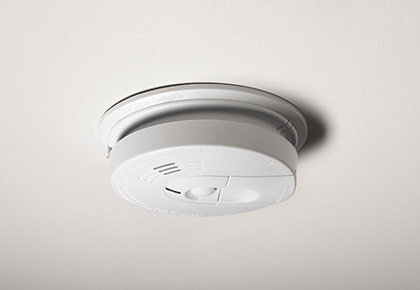 For newer dwelling units, smoke alarms in BC apartments must be installed on every storey, including basements. On storeys with bedrooms, alarms must also be installed inside each sleeping room and between the sleeping rooms and the rest of the unit.
If bedrooms open onto a hallway, an alarm must be installed in that hallway (BCBC 2024, 3.2.4.20; 9.10.19.3).
Do smoke alarms in BC apartments need to be hard-wired?
In newer construction, smoke alarms generally need a permanent connection to an electrical circuit and a backup battery. The exact requirements depend on the building and the code that applied when it was constructed or altered (BCBC 2024, 3.2.4.20; 9.10.19.4).Battery-operated alarms may still be permitted in some existing buildings outside Vancouver, including dwelling units that were permitted to be built before March 31, 1979, and certain locations where alarms were not required when the unit was originally built or altered (BC Fire Code 2024, Division B, Article 2.1.3.3).
Do smoke alarms need to be interconnected?
For newer homes and apartments, when more than one smoke alarm is required in a dwelling unit, the alarms must be interconnected so that when one sounds, all required alarms in the unit sound as well (BCBC 2024, 3.2.4.20; 9.10.19.5). Interconnection requirements depend on the applicable building code and building design.For older smoke alarms in BC apartments, boards, landlords, and building managers should confirm what was required when the building was constructed or last altered rather than assuming newer standards automatically apply.
Landlord responsibilities for smoke alarms in rental apartments
Landlords are responsible for installing required smoke alarms and keeping them in working condition. BC’s Residential Tenancy Branch says regular smoke alarm maintenance includes annual inspection of the system, annual cleaning and testing of the alarm, and replacing batteries at least annually and according to the manufacturer’s instructions (RTB Policy Guideline 1).Smoke alarms should also be checked before a new tenant moves in. The Province specifically advises landlords and apartment managers to confirm required alarms are working before occupancy and whenever a tenancy changes.
Tenant responsibilities for smoke alarms
Tenants also have an important role in keeping smoke alarms in BC apartments working properly. They should not remove batteries, install dead or incorrect batteries, or otherwise interfere with an alarm. If an alarm starts chirping, stops working, or appears to need repair or replacement, the tenant should notify the landlord (RTB Policy Guideline 1).Tenants should also report situations where there do not appear to be enough working alarms in the unit. Learn more in our guide to BC tenant rights.
Testing smoke alarms
The Province recommends testing smoke alarms once a month using the test button. For battery-operated alarms, batteries should generally be replaced at least once a year or according to the manufacturer’s instructions.For landlords, annual maintenance responsibilities go further. BC tenancy guidance calls for annual inspection, cleaning, and testing of smoke alarms as part of keeping them in good working order (RTB Policy Guideline 1).
Replacing smoke alarms
BC recommends replacing smoke alarms every 10 years, or sooner if required by the manufacturer. Residents and property teams can check the manufacture date on the alarm to help determine when replacement is due. An alarm should also be replaced sooner if it is damaged, fails testing, or has reached the end of its listed service life.A rental property management company can help track installation and replacement dates for smoke alarms in BC apartments and make long-term maintenance easier to manage.
What are the smoke alarm requirements in Vancouver?
Vancouver has its own Building By-law and Fire By-law, so smoke alarm requirements differ somewhat from the rest of B.C. The Vancouver Fire By-law requires every dwelling unit, whether new, altered, or existing, to have working smoke alarms. In multi-unit residential buildings, smoke alarms must be hard-wired to an electrical circuit.For newer construction, the Vancouver Building By-law requires at least one smoke alarm on every storey, including basements, as well as alarms in each sleeping room and between sleeping rooms and the rest of the storey. When more than one smoke alarm is required in a dwelling unit, the alarms must be interconnected so they all sound when one is activated (Vancouver Building By-law 2025, Articles 9.10.19.3–9.10.19.5).
Smoke alarm compliance tips for apartments
-
Keep a maintenance schedule
Track testing, battery changes, inspections, and replacement dates in one place. A consistent schedule makes it easier to catch aging or failed equipment before it becomes a larger issue.
-
Check alarms when occupancy changes
For rental units, test alarms before a new tenant moves in. This creates a clear starting point and gives the property team an opportunity to address missing or damaged equipment.
-
Know which code applies
Older buildings may not have the same wiring or placement requirements as newer construction. Confirm the building’s age and alteration history before making assumptions about smoke alarms in BC apartments.
-
Give residents clear instructions
Residents should know how to report a malfunction, who to contact, and why alarms should never be disabled. Effective communication can help keep small issues from becoming safety concerns.
-
Keep records of completed work
Document inspections, service calls, battery changes, and replacements. Good records make ongoing building maintenance easier to organize and give future councils or managers a clearer history of the system.
About FirstService Residential
As North America’s leading property management company, FirstService Residential helps British Columbia strata councils and property owners keep building responsibilities organized and easier to manage.Our local experts can help coordinate qualified vendors, keep track of compliance deadlines, monitor inspections, maintain building records, communicate with residents, and follow up on repairs involving smoke alarms in BC apartments and other building systems.
We help owners and council members stay ahead of issues through consistent oversight and proactive planning. With 24/7 customer care, expert guidance, and access to trusted local vendors, we make it easier to protect property values and simplify community operations.
Contact FirstService Residential today to learn more.
This information is provided for general informational purposes only and is not intended to constitute, and should not be relied upon as, legal, regulatory, financial, or operational advice, or as a representation or guarantee of any specific services, capabilities, or outcomes. Property management needs, regulatory requirements, market conditions, and available services vary by jurisdiction, property type, and community. FirstService Residential provides services through locally based affiliates and associates, and services and results may vary by community, region, contractual terms, and applicable law.