Monday November 16, 2026
What are the NYC elevator inspection requirements for residential buildings?
NYC elevator inspection requirements for residential buildings generally include an annual periodic inspection and required category testing.For most covered elevators, that means:
- Periodic inspection: A visual inspection performed once each calendar year.
- CAT1 inspection: An annual no-load safety test.
- CAT5 inspection: A more extensive test generally performed once every five years using the elevator’s rated load and speed.
NYC annual elevator inspections
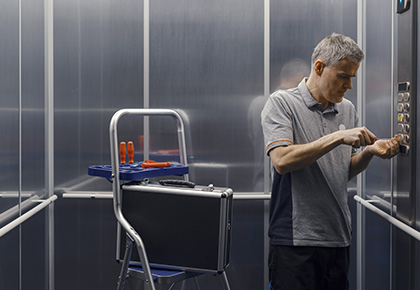 New York City requires a periodic elevator inspection each year between January 1 and December 31 (NYC Admin. Code § 28-304.6.1).
This inspection is separate from CAT1 testing. It must generally take place at least three months apart from any CAT1 test and from the previous periodic inspection. The inspection must be completed by an approved elevator agency hired on behalf of the owner, and that agency cannot be affiliated with the company maintaining the elevator.
Periodic inspection reports (other than for private elevators) must be submitted to the DOB within 14 days of the inspection to avoid late fees. January 14 of the following year is the final deadline for the DOB to accept filings for the prior inspection cycle, but it does not extend the 14-day filing requirement. If a report is not submitted by January 14, the DOB will no longer accept the filing for that inspection cycle and may issue a failure-to-file violation (1 RCNY § 103-02).
What is an NYC CAT1 inspection?
A CAT1 inspection is an annual no-load safety test of an elevator. The test checks required safety features without placing the elevator under its full rated load.CAT1 testing generally takes place between January 1 and December 31 each year and must be at least six months from the previous CAT1 test (NYC Admin. Code § 28-304.6.1).
The CAT1 report must be submitted to the DOB within 21 days of the test date to avoid late filing fees. If the report is not filed by January 21 of the following year, it will no longer be accepted for that testing cycle and the building may receive a violation (1 RCNY § 103-02).
What is an NYC CAT5 inspection?
A CAT5 inspection is a more extensive elevator safety test performed with the elevator operating at its rated load and speed.A CAT5 test is generally required once every five years. For an existing elevator, the test must be completed by the anniversary month of the most recent CAT5 test. For a new elevator, the five-year schedule is based on the month its certificate of compliance was issued.
CAT5 reports must be filed within 21 days of the test date to avoid late fees. The actual test must be completed by the end of the elevator’s required five-year anniversary month (NYC Admin. Code § 28-304.6.1(3); 1 RCNY § 103-02).
What happens if an elevator inspection finds a problem?
If a periodic inspection, CAT1 inspection, or CAT5 inspection identifies a defect, the condition generally must be corrected within 90 days of the inspection or test.After the work is completed, an Affirmation of Correction must be filed with the DOB within 14 days. For CAT1 and periodic inspections, failing to complete the correction and required filing within the applicable timeframe can result in a failure-to-correct violation. Category test defects, including those found during CAT5 testing, are also subject to the DOB’s correction requirements.
Some conditions cannot wait 90 days. Hazardous conditions and defects involving firefighters’ Phase I emergency recall or Phase II emergency in-car operation must be corrected immediately (NYC Admin. Code § 28-304.6.6; 1 RCNY § 103-02(e)).
NYC elevator inspection penalties
Current DOB penalties for condo, co-op, and rental buildings with more than two residential units include:- Late CAT1 filing: $150 per month per elevator, up to $1,800.
- Failure to file CAT1: $3,000 per elevator.
- Late CAT5 filing: $250 per month per elevator, up to $3,000.
- Failure to file CAT5: $5,000 per elevator.
- Late periodic inspection filing: $150 per month per elevator, up to $1,800.
- Failure to file a periodic inspection: $3,000 per elevator.
How to stay on top of NYC elevator inspections
-
Track each elevator separately
Each elevator can have its own CAT5 deadline based on its testing history. Keep a schedule for every device in the building so the board knows what is coming up and has time to plan before a deadline is close.
At FirstService Residential, our in-house Compliance Department helps track those deadlines so important dates are easier to stay ahead of.
-
Plan annual inspections early
CAT1 testing and periodic inspections both happen every year, but they follow different timing rules. Planning both early in the year can help the building avoid scheduling issues and leave enough time to complete the required filings.
-
Use the right elevator professionals
NYC has specific rules about who can perform elevator inspections and tests. Periodic inspections must be handled by an approved agency that is independent from the company maintaining the elevator. Before scheduling the work, confirm that the professionals involved meet current DOB requirements.
-
Act on defects quickly
If an inspection finds a problem, the building has a limited amount of time to correct it. Reviewing the findings right away gives the board more time to schedule the work and complete the required filing before the deadline. If the work is substantial, the board may also need to determine whether it should be treated as a capital project and whether existing reserve funds are sufficient to cover the work.
-
Keep your elevator records together
Keep inspection reports, test results, repair records, and filings in one place so the board can quickly see what has been completed and what is coming next. DOB NOW: Safety can also help owners and authorized users check filing status.
How to check an elevator’s inspection status
Elevator compliance filings can be reviewed through DOB NOW: Safety and the DOB NOW Public Portal. Owners and authorized users can use the system to submit compliance filings, make payments, review filing status, and upload required documents. Public filing information can also be searched by property or device through the DOB NOW Public Portal.How FirstService Residential can help
FirstService Residential helps simplify NYC elevator inspection requirements through our in-house Compliance Department. Our compliance experts monitor local law updates, help resolve violations and disputes, support required filings, and work closely with property managers so boards have added guidance when compliance issues come up.Contact our New York team to learn how FirstService Residential can support your property.
This information is provided for general informational purposes only and is not intended to constitute, and should not be relied upon as, legal, regulatory, financial, or operational advice, or as a representation or guarantee of any specific services, capabilities, or outcomes. Property management needs, regulatory requirements, market conditions, and available services vary by jurisdiction, property type, and community. FirstService Residential provides services through locally based affiliates and associates, and services and results may vary by community, region, contractual terms, and applicable law.