Monday December 08, 2025
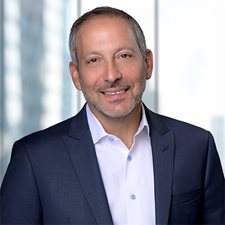 As New York City continues to defy predictions of decline, Marc Kotler, sees a metropolis brimming with vitality and opportunity. From innovative building conversions to ambitious new developments, the city’s evolution fuels his optimism and underscores his commitment to shaping its future.
In this candid conversation, Marc shares his perspective on what makes New York resilient and why its dynamic transformation inspires him every day.
What major trends do you see affecting New York condominium and cooperative owners and shareholders in 2026?
In 2026, several factors will impact the building operations, but insurance is a major concern. Insurance costs continue to rise in New York, particularly for property and excess liability. Our team works with carriers to develop competitive products that keep costs down while also ensuring proper coverage.Proactive measures, such as installing leak detection systems in buildings prone to leaks, can help reduce premiums and deductibles. If a building demonstrates effective leak control, premiums may decrease over time. We also verify all unit owners in our co-ops and condos are properly insured with personal homeowners insurance.
Just last month, we launched a product through our local affiliate FirstService Financial that allows unit owners to purchase competitive insurance electronically, ensuring coverage for their contents and unit value. This complements the building’s insurance, reducing overall liability and benefiting everyone.
How does FirstService help boards navigate compliance requirements, especially with frequent changes from New York City and State agencies?
We are fortunate to have one of the strongest compliance departments in New York City. They proactively track inspection status, compliance deadlines, and violations in every building we manage. If a repair or remediation is required for compliance, our managers have access to our database of vendors, contractors, and engineers.Going one step further, our team actively monitors all new regulations from agencies like the DOB and DOF to keep our clients informed and ahead of deadlines. For example, when the gas detector installation deadline was extended due to high demand, we sourced best-in-class pricing from multiple vendors for our clients. These efforts add significant value by ensuring compliance and cost efficiency.
What shifts are you seeing in the multifamily rental market and how do you expect these trends to affect owners as they plan for the year ahead?
Rental building owners who integrate technology into core operations and centralize functions are best positioned to manage costs, satisfy residents, and capitalize on emergent trends in the year ahead. The most successful owners are adopting centralized maintenance platforms, automated leasing, and AI-powered communication, not as amenities, but as tools to cut costs and improve operations.Rising insurance, utility, and labor expenses are accelerating this push, with predictive maintenance and energy monitoring helping control budgets.
What factors will have the biggest impact on construction starts or the completion of new projects in New York over the next 12 to 18 months?
In New York City, incentives like 485x and anticipated legislation from incoming mayor Zohran Mamdani will have a significant impact on development strategies. Already, we’re seeing a pause in new developments with sponsors waiting on the sidelines for clarity. When Mayor Mamdani reveals his affordable housing plans and zoning reforms, I hope to see new projects break ground.There is also a notable increase in office-to-residential conversions, with design teams actively exploring these opportunities. We have consulted on several conversions, and construction is expected to begin within the next year.
Larger rental projects increasingly feature mixed-use components, such as condos and retail, which help distribute operational costs and enhance amenities. For example, projects like Williamsburg Wharf combine rental and condo components with shared amenities. A new tower at 520 Fifth Avenue integrates office, residential, and club spaces, a mix that diffuses costs among different occupant groups.
What is your perspective on management company consolidation, and how do you think it will shape the industry?
Recent months have seen major consolidations, leaving few large players and several smaller companies that may be absorbed by larger ones. The recent acquisitions, such as those involving Douglas Elliman, Associa, AKAM, and Orsid, will likely result in operational consolidation, causing industry disruption. Many buildings that chose recently consolidated companies may reconsider, leading to significant movement within the industry.FirstService is not currently pursuing acquisitions and is the stable choice for boards and building owners in New York.
What are the primary benefits for boards and owners in choosing a large organization like FirstService versus a smaller management company?
Having worked at a small management company, board members had direct access to executive leadership, but resources were limited. It is extremely difficult for smaller companies to navigate the web of compliance requirements, insurance policy renewals, tax abatements, and other building-critical efforts on their own.The scale and operational strength of First Service elevate our service delivery. Clients still enjoy personalized service from our managers, but also benefit from extensive resources that curb costs and mitigate risk. This includes FS Insurance Brokers, FirstService Energy, FirstService Project Management, and FirstService Financial. Managers also have robust departmental support, to improve responsiveness and best-in-class service.
We also provide in-house hospitality training for building staff and property managers to create an emotional connection between residents and our people. It’s about making people feel cared for, understood, and at home. This is a service smaller companies typically cannot offer.
As the new president of First Service Residential, what is your long-term vision for the organization?
My focus is always to deliver what is best for the client. This means providing the highest level of service by ensuring our people are well-trained and have the resources they need. My long-term goal is for First Service to be recognized as the best management company in New York City, known for running buildings efficiently.I aim to grow the company, partner with boards and developers across the five boroughs, and maintain our reputation as best in class.
Despite predictions of New York City’s decline, especially post-COVID, the city remains vibrant and energetic. Watching the city evolve, from building conversions to new developments, is exciting and motivates me for the future.