Tuesday November 25, 2025
What is annual maintenance?
In Ontario condo buildings, annual maintenance means inspecting major systems and components and addressing items before they become costly failures. Performing annual maintenance helps board members and condo managers identify small issues early and avoid sudden large-scale repairs and special assessments.This article is provided for general informational purposes only and does not constitute legal, financial, or real estate advice. Laws change frequently and vary by province. Readers should consult with a qualified professional for advice specific to their individual circumstances.
Types of maintenance
There are several types of annual maintenance to consider: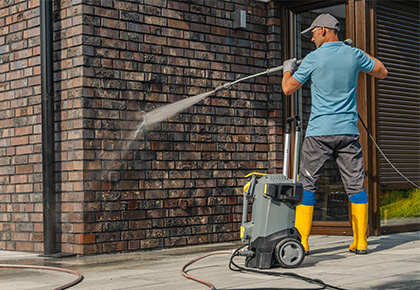
- Exterior maintenance: Roof, gutters, walls, windows, and doors.
- Interior and unit-systems maintenance: HVAC, plumbing, electrical, and safety devices.
- Common areas and amenities: Elevators, fitness rooms, pools, and lounges.
- Mechanical and technical system maintenance: Fire/smoke systems, sump pumps, and backup generators.
Key components of annual maintenance for Ontario condos
Backflow devices
Condo corporations are required to annually test their backflow prevention devices. This helps confirm that they are functioning properly to prevent water from the building flowing back into the municipal line. Cities in Ontario have become increasingly stringent about enforcing testing requirements.Fire and life safety/elevators
A condo corporation must perform a variety of tests at different frequencies. Contractors provide a copy of test results that the building may have to submit, along with proof that they have fixed any defects, to fire inspectors upon request. Recently, inspectors have focused on parking garage fire doors and storage areas because of their susceptibility to fires. Any updates to testing procedures or safety policies should be reviewed in accordance with condo bylaws and approved during a board meeting to support compliance.Emergency generators
Some buildings have emergency generators that typically can provide emergency power for lighting and one elevator. The last thing community residents want to discover during a power outage is that their generator is not functioning properly. Condo corporations are expected to test and check their generators. This information is recorded in a log kept on site.Roof anchors
These safety devices, which are attached to the building exterior, are used by trades such as window washers that require fall protection equipment. Roof anchors need to be certified by a specialized company each year and it’s best practice to post the certification at the access point of the roof.Mechanical/electrical/HVAC
This equipment requires a wide range of inspections. A unique requirement is the testing of carbon monoxide sensors, which are located in the parking garage. These activate the parking garage fans if the CO level from car exhaust becomes too high. Condo corporations must also maintain and test the communication links between the fire panel and exhaust fans.Waterproofing and drainage systems
Annual inspections of drains, sump pumps, catch basins, and foundation waterproofing help prevent leaks and flooding, which are some of the most expensive problems a condo can face. Buildings with underground garages or podium decks are especially vulnerable to water infiltration. Checking these systems before spring thaw or heavy rain season can save major repair costs later.Balconies and railings
Balconies and guardrails need annual checks for signs of corrosion, cracking, or loose fasteners. In Ontario’s climate, freeze-thaw cycles can quickly worsen small cracks in concrete. Having a contractor review balcony conditions yearly helps the corporation identify issues early and plan capital repairs before safety becomes a concern.Security and access systems
Electronic fobs, intercoms, and camera systems should be tested annually to confirm they’re functioning as intended. Software updates and battery replacements are small investments that help maintain reliability and resident safety. For condos with 24-hour entry systems, documenting these checks provides proof of diligence and helps identify when technology is nearing the end of its life. Clear and effective communication with residents about system updates also enhances community trust.Doors, windows, and weather seals
Exterior doors and window systems play a major role in both energy efficiency and resident comfort. Gaskets, caulking, and weatherstripping should be inspected every year to confirm they’re still providing a proper seal. Poor seals lead to higher energy bills and can accelerate wear on HVAC systems as they compensate for drafts or heat loss.Pest and waste management
Ongoing pest prevention and waste area maintenance are often overlooked until problems arise. Annual inspections of garbage chutes, compactor rooms, and exterior bins help reduce odours and prevent infestations. Coordinating cleaning schedules with waste pickup days keeps these areas sanitary and reduces strain on building systems.How to prioritize tasks
When planning condo maintenance, the goal is to spend time and money where they’ll have the biggest impact. Start by ranking projects based on risk and return. For example, replacing a worn roof or repairing a drainage issue can prevent far more expensive damage later, while a cosmetic upgrade like repainting a lobby can usually wait.Then, look at your building’s age, materials, and past service records. If the same issue keeps showing up on inspection reports, like recurring leaks or elevator downtime, that’s a sign to move it higher on the list. Likewise, systems under warranty or covered by service contracts can often be scheduled later since there’s already protection in place.
Another way to prioritize is to line up maintenance with other planned work. If exterior painting is scheduled next year, it might make sense to inspect windows and flashing now, so everything is addressed together. Coordinating projects this way saves time, limits disruption, and reduces costs for equipment and labour.
Finally, connect your priorities to your reserve study or depreciation report. Items marked as “immediate” or “within one year” should be treated as top priority, while items further out can be monitored and budgeted for. This approach keeps maintenance focused on what truly matters to the safety and value of your community.
The role of the condo manager
Every condo corporation is unique. So, it’s important that the board members and owners discuss their vision for what should be included in a potential maintenance plan, as required under the Condo Act of Ontario. From there, your condo manager can work with your board to create a plan that reflects your directives and particular maintenance focus.A professional management company can help confirm:
- Useful life expectancies are identified
- How the maintenance systems are currently serviced is reviewed
- Reserve funds needed per the reserve study are assessed
- Operating budget and service contracts are analysed