Tuesday July 14, 2026
Are pool inspections required for Texas condos, HOAs, and high-rises?
Many Texas HOA, condo, apartment, and high-rise pools may be regulated as Class C public swimming pools, even when they are privately owned and limited to residents.Texas public pool rules set standards for operation, safety, water quality, signage, emergency equipment, and maintenance. Local health departments may also require permits, inspections, and corrective action before a pool can open or remain open.
What is a pool inspection checklist?
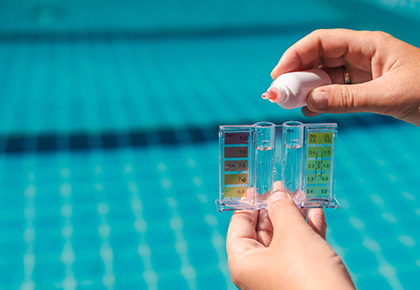 A pool inspection checklist is a practical tool that board members, managers, vendors, and pool operators use to review pool safety, sanitation, equipment, and compliance.
A strong pool inspection checklist can help the association catch problems early, prepare for health department inspections, document vendor performance, and reduce risk before residents use the pool.
Pool inspection checklist for Texas HOAs, condos, and high-rises
While each community pool is different, a typical Texas HOA, condo, or high-rise pool inspection may include the following steps:- Pre-inspection document review: The board or manager should gather permits, prior inspection reports, maintenance logs, chemical testing logs, vendor contracts, incident reports, and repair records. This helps identify recurring problems before the physical inspection begins.
- Pool yard and access review: The inspector, manager, or vendor will review fencing, gates, locks, access controls, signage, entrances, community rules, and whether the pool yard is secure. Gates and barriers are important because unauthorized access can create safety concerns.
- Water quality testing: The pool’s disinfectant level, pH, clarity, and other required chemistry items should be checked and recorded. Water that is cloudy, improperly balanced, or not adequately disinfected can create health concerns and may require closure until corrected.
- Safety equipment inspection: The review should confirm that required rescue equipment, emergency communication, location signage, depth markers, “no diving” markings, and other safety features are present, visible, accessible, and in working condition.
- Deck and pool surface review: The inspection should look for trip hazards, sharp edges, broken tiles, loose handrails, damaged ladders, slippery surfaces, missing depth markers, standing water, and other conditions that could affect resident safety.
- Drain and suction outlet check: Drain covers and suction fittings should be visually checked for damage, looseness, missing screws, or outdated covers. Public pools and spas must have compliant anti-entrapment drain covers under the Virginia Graeme Baker Pool and Spa Safety Act.
- Mechanical equipment review: Pumps, filters, heaters, chemical feeders, controllers, gauges, valves, and visible plumbing should be checked for leaks, unusual noise, pressure issues, corrosion, or other maintenance concerns.
- Corrective action and follow-up: If the inspection finds deficiencies, the board should document the issue, assign responsibility, set a timeline, and confirm completion. Serious safety or water quality problems may require closing the pool until corrected.
Tips for board members
-
Know the operational requirements.
As soon as summer arrives, do your periodic inspections. Loose or missing drain covers are common violations, so check that everything is in place and secured. Also, pay close attention to water chemistry, and confirm that your pool staff have been trained and certified appropriately.
Many communities are cited because chlorine levels are too low, the pH is too high, or certifications aren’t current — chlorine and pH can be checked regularly, so developing a routine for compliance is an easy way to avoid being cited for improper levels.
-
Build a board reporting process.
A pool inspection checklist should not stop with the vendor. Boards should decide how inspection results, open repairs, water quality concerns, and closures are reported. A short weekly or monthly summary can help the board monitor trends, approve repairs faster, and avoid surprises when residents ask about pool conditions.
-
Consider hiring a pool management company.
Effectively maintaining and managing a pool’s operator certification, documentation, and facilities can be overwhelming. Your association management company can recommend a quality pool management company to handle everything from A to Z. Even better, by helping reduce potential violations and citations, your savings may help offset the additional fees.
-
Know your regulations.
Swimming pool rules and regulations often change over time — therefore, it’s crucial to keep up to date on all current state and local regulations to support compliance at all times. Just another reason a pool management company may be the answer if you don’t have time to stay abreast of the changing regulatory landscape.
Texas laws to know
There are a few key pool laws to keep in mind when planning your pool inspection:- Texas public pool rules: Texas regulates public swimming pools and spas through the Texas Health and Safety Code and Texas Administrative Code. Many community association pools may be treated as Class C public pools, even when access is limited to residents and guests. Boards should confirm classification and inspection requirements with local health authorities (Tex. Health & Safety Code § 341.064, 341.0645).
- Broad definition of public pool: Texas rules define a public pool broadly and state that a public pool may be publicly or privately owned, and a fee may or may not be charged. This is why HOA, condo, apartment, and high-rise pools should not be assumed to be “private” like a backyard pool (25 Tex. Admin. Code § 265.182).
- Certified pool operator requirements: Texas requires Class A, Class B, and Class C pools and spas to be maintained under the supervision and direction of a trained and certified operator.
The operator does not always have to be onsite while the pool is open, but the board should confirm the pool is properly supervised under applicable rules (25 Tex. Admin. Code § 265.194).
- Safety features and emergency equipment: Texas pool rules address safety features such as depth markers, “no diving” markers, emergency summoning devices, safety equipment, lighting, and other operational requirements. A pool inspection checklist should reflect these items and any stricter local requirements (25 Tex. Admin. Code § 265.190).
- Federal drain cover requirements: Public pools and spas must comply with the Virginia Graeme Baker Pool and Spa Safety Act, which addresses anti-entrapment drain cover standards. Boards should have qualified pool professionals confirm drain covers, suction outlets, and related equipment are compliant and not expired, loose, damaged, or missing.
Learn the importance of vendor verification
FirstService Residential Texas offers VIVE, a vendor verification program that safeguards your association from unnecessary risk and liability. Learn how VIVE works here.This information is provided for general informational purposes only and is not intended to constitute, and should not be relied upon as, legal, regulatory, financial, or operational advice, or as a representation or guarantee of any specific services, capabilities, or outcomes. Property management needs, regulatory requirements, market conditions, and available services vary by jurisdiction, property type, and community. FirstService Residential provides services through locally based affiliates and associates, and services and results may vary by community, region, contractual terms, and applicable law.