Tuesday March 31, 2026
What is HOA maintenance?
HOA maintenance is the ongoing upkeep of the shared property and community assets the association is responsible for. In most Missouri communities, those responsibilities are set by HOA laws and your governing documents, especially the declaration, bylaws, and any maintenance responsibility charts or policies adopted by the board.Examples of maintenance
The exact list depends on your documents, but common HOA maintenance items in Missouri include: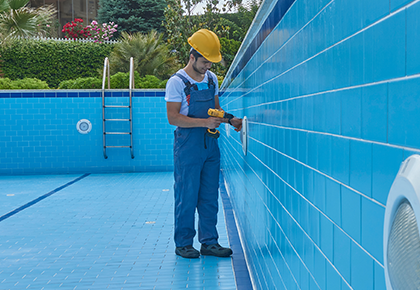
- Landscaping and irrigation, like mowing, trimming, seasonal plantings, or irrigation repairs
- Private streets, sidewalks, curbs, signage, and streetlights
- Stormwater infrastructure
- Entry features and gates, if owned/maintained by the HOA
- Playground and park equipment
- Pools and amenity buildings
- Clubhouse, fitness rooms, and common restrooms
- Common-area lighting, electrical, and plumbing
- Exterior building components in attached communities
- Snow and ice management on sidewalks, roads, and entryways
- Fence and perimeter repairs if the fence is an HOA asset
Maintenance styles
Maintenance programs usually rely on a mix of approaches, and the best mix depends on the age of the community, the assets you’re maintaining, and how strong your reserve funding is:- Reactive: Fix it after it breaks.
- Corrective: Repair a known problem that has been identified, even if it hasn’t fully failed yet.
- Preventive: Routine servicing and planned upkeep meant to avoid breakdowns.
- Predictive: Using inspections, data, or monitoring to anticipate failure and schedule work at the right time.
- Deferred: Postponing work due to the community budget, timing, or priorities, often increasing risk and long-term cost.
Who is responsible for what?
Generally, the HOA is responsible for maintaining shared community property and common-area assets, while homeowners are responsible for maintaining their own lots and homes. The exact line depends on your governing documents. Your declaration is the first place to look, because it typically defines the common areas and assigns maintenance duties.Funding HOA maintenance
HOA maintenance is usually funded through three sources:- The operating budget, which pays for recurring items like landscaping, routine repairs, utilities for common areas, property management fees, pool servicing, and vendor contracts.
- The reserve fund, which pays for long-term repair and replacement projects like pavement, roofs, fence replacement, major amenity renovations, or large mechanical replacements.
- Special assessments, which are typically used when a major expense wasn’t fully planned for in operating or reserves, or when urgent repairs must happen quickly.
10 HOA maintenance tips
-
Create a simple guide to who maintains what
Most resident frustration comes from confusion about responsibility. A short written guide can reduce disputes fast. Keep it practical: lawns, fences, roofs, sidewalks, windows, irrigation, and exterior repairs. When residents know what to expect, your work order system stays cleaner.
-
Use inspections to prevent surprise failures
A monthly or quarterly walk-through catches problems early, like drainage trouble spots, trip hazards, lighting outages, fence damage, and amenity wear. This is one of the easiest ways to shift your community away from reactive maintenance and toward preventive planning, without needing a massive budget change.
-
Be “decision-ready” at meetings
HOA meetings drag when the board is learning basics in real time. Ask your property manager to bring decision-ready items: the issue, options, cost range, and recommendation. The board can still ask questions, but the goal is to leave each maintenance topic with a clear direction or vote.
-
Track warranties and repeat repairs
If the HOA keeps fixing the same issue, it’s usually a tracking gap. Maintain a simple warranty log for major work with the vendor name, scope, warranty term, and contact info. When something fails, you’ll know immediately whether it’s covered or whether a new approval is needed.
-
Communicate disruptions early and clearly
Maintenance affects daily life. Use plain-language notices for closures and projects, including what’s happening, why it matters, and what residents should expect. Effective communication can help reduce conflict.
-
Plan seasonal readiness checks
Use seasonal checklists to reduce weather-related damage. Before heavy rain, inspect drains and known low spots. Before winter, confirm snow routes, deicer storage, and vendor availability. After major storms, complete a walkthrough to identify safety hazards and time-sensitive repairs.
-
Use written service standards for recurring vendors
For landscaping, snow, pool, and janitorial vendors, define expectations in writing. This can include service frequency, response times, quality standards, and documentation requirements. When the standard is clear, performance is easier to measure and correct, and residents get more consistent results.
-
Standardize how residents submit requests
Require maintenance requests to come through one channel and include the basics: location, photos when possible, and whether it is urgent. A consistent intake process reduces back-and-forth, helps triage faster, and creates a clean record if the issue escalates.
-
Schedule annual vendor and contract reviews
Schedule an annual review of your recurring contracts for scope, pricing, and performance. Confirm insurance certificates are current and verify that service frequency still matches community needs. Regular reviews prevent quiet scope creep and keep the board confident in vendor renewals.
-
Tie maintenance to reserve planning
When a component is repaired or inspected, update your long-term plan. If pavement is wearing faster than expected or a roof shows early failure signs, adjust the replacement timeline and funding assumptions. Small updates throughout the year help prevent sudden special assessments.
Reserve planning and long-term projects
Reserve planning is where maintenance becomes a strategy instead of a scramble. A practical reserve approach starts with a list of major components the HOA is responsible for, an estimate of how long they typically last, and a rough timeline for repair and replacement. Even if your association doesn’t have a formal reserve study, the board can still build a basic long-range project map to reduce surprises.Considering professional property management in Missouri?
As North America’s leading community association management company, FirstService Residential serves Missouri HOAs with local expertise backed by national resources. Our teams support board members with meetings, recordkeeping, resident support services, financial management, banking and insurance programs, and 24/7 customer care teams. This way, board members can focus on long-term goals instead of day-to-day administration.With decades of experience across the state, we help HOAs, condo associations, high-rises, and master-planned communities operate smoothly and meet their goals with confidence. To learn how we can support your association, contact our Missouri team today.
This information is provided for general informational purposes only and is not intended to constitute, and should not be relied upon as, legal, regulatory, financial, or operational advice, or as a representation or guarantee of any specific services, capabilities, or outcomes. Property management needs, regulatory requirements, market conditions, and available services vary by jurisdiction, property type, and community. FirstService Residential provides services through locally based affiliates and associates, and services and results may vary by community, region, contractual terms, and applicable law.