Wednesday August 13, 2025
Overview of HOA landscaping
HOA landscape maintenance in West Virginia can include mowing, pruning, irrigation, seasonal planting, weed control, and pest management in a homeowners association. While individual homeowners typically manage their private lawns, common spaces like entrances, greenways, community parks, and walking paths generally fall under the association's responsibility. A well-managed HOA landscape maintenance plan helps maintain a consistent and attractive appearance throughout the community. It also supports long-term property value and can reduce liability by addressing trip hazards, sightline obstructions, and invasive plants before they cause problems.This article is not intended to and does not constitute legal advice or create an attorney-client relationship. Board members should consult their association’s attorney to discuss the legal implications of their decisions or actions prior to proceeding.
HOA landscaping tips
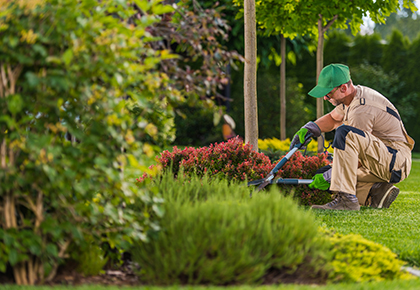 Effective HOA landscape maintenance in West Virginia starts with a plan tailored to your community’s environment. Local factors like rainfall, soil conditions, and elevation can shape which landscaping strategies work best, especially in areas with steep terrain or frequent storms.
Consider these best practices:
- Schedule regular inspections: Routine walkthroughs help identify issues like irrigation leaks, overgrowth, or pest infestations before they escalate.
- Use native plants when possible: Native plants tend to be lower maintenance and better adapted to local conditions, which can reduce long-term costs.
- Plan for all seasons: Seasonal HOA landscape maintenance should include spring clean-up, summer watering strategies, fall leaf removal, and winterization of irrigation systems.
The importance of HOA landscaping
HOA landscape maintenance helps protect home values and creates a welcoming environment for residents and guests. It sets the tone for the community, especially in neighborhoods with high visibility or shared outdoor amenities. When landscaping is neglected, common areas can quickly appear overgrown or uncared for. This affects more than curb appeal. Overgrown vegetation can block signs, pathways, and fire hydrants, and may lead to pest problems or property damage. Snow and ice removal from hardscaped surfaces is also a critical part of HOA landscape maintenance during West Virginia winters. Proper landscaping helps create a clean, safe, and consistent environment. It also helps communities avoid unnecessary expenses by addressing small issues before they become costly repairs.Common elements of an HOA landscape maintenance contract
A professional contract for HOA landscape maintenance in West Virginia typically covers:- Lawn care: Mowing, fertilizing, aeration, and overseeding
- Tree and shrub care: Trimming, pruning, and disease management
- Irrigation: Inspection, seasonal start-up/shut-down, and repairs
- Weed and pest control: Integrated pest management and selective herbicide use
- Mulching and planting: Refreshing mulch and planting seasonal flowers or shrubs
- Hardscape maintenance: Maintaining paths, retaining walls, and community signage
Who is responsible for HOA landscape maintenance?
In most communities, the HOA board is responsible for approving the scope of landscape maintenance and selecting the vendor. The day-to-day oversight may fall to a community association manager if the board works with a management company. Homeowners are typically responsible for their individual lots, unless the community is structured as a townhome or condo association with shared landscaping. In those cases, HOA landscape maintenance may cover all exterior areas, including front yards.To avoid confusion, landscaping responsibilities should be clearly outlined in the association’s governing documents, including maintenance maps and vendor agreements. Homeowners should also be reminded of any restrictions related to plantings or decorations in common areas.
Budgeting for landscape maintenance
HOA landscape maintenance is often one of the largest line items in a community budget. To budget effectively, boards should review vendor contracts annually and set aside funds for seasonal enhancements. Consider long-term financial management planning for capital improvements like irrigation upgrades or turf replacement. Boards should also anticipate price increases related to fuel, labor, or supply chain issues, which have affected many vendors across West Virginia in recent years.Compliance and aesthetic standards
Landscape maintenance can impact compliance with both WV HOA laws and community rules. In some municipalities, there may be rules about invasive plant species, tree trimming near utility lines, or pesticide use. Within the association, many governing documents outline aesthetic standards for landscaping. Boards may be responsible for enforcing HOA rules and working with the landscaping vendor to maintain a consistent look throughout the community. Periodic landscape reviews, conducted with the help of the property manager or vendor, can help keep the association in compliance.Responding to landscaping violations
Landscaping violations in West Virginia HOAs may include unauthorized plantings, failure to maintain assigned areas, or changes to common grounds without approval. The board or community manager should document issues during site visits and send a notice outlining the violation, the relevant rule, and the expected correction. Most violations are resolved quickly with a clear explanation.If the issue continues, next steps might include a formal violation notice or fines (if allowed by your documents). To reduce violations, boards can send seasonal reminders about landscaping rules and expectations. A good property management partner can help track compliance, manage communications, and support fair enforcement that’s consistent with the association’s governing documents.
How a property management company can support HOA landscape maintenance
A professional property management company can be a valuable partner in managing HOA landscape maintenance. Services may include:- Soliciting and managing vendor bids
- Coordinating seasonal maintenance and inspections
- Helping boards review and negotiate contracts
- Working with vendors to resolve resident concerns
- Budgeting for ongoing maintenance and capital improvements
Whether your community is looking to update its landscaping vendor, plan for seasonal improvements, or navigate local compliance issues, working with experienced professionals can help streamline operations and avoid costly mistakes. A thoughtful approach to HOA landscape maintenance sets the tone for your neighborhood and supports the long-term success of your association. Contact FirstService Residential today to learn more.