Friday April 10, 2026
On January 19, 2026, New Jersey enacted what has been described as one of the most comprehensive e‑bike laws in the country, with the goal of improving safety across the state. The law creates updated categories for certain e‑bikes and expands requirements related to operator age, licensing, registration, and compliance. These changes may affect how community associations regulate and manage e‑bike use on association property.New “electric motorized bicycle” category
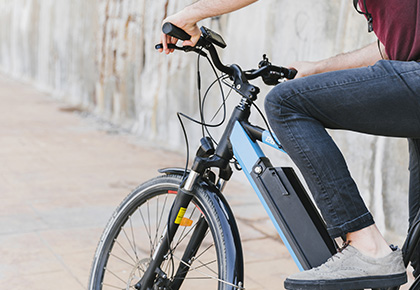 Previously, New Jersey generally treated most e‑bikes as bicycles under a three‑tier system rather than as motor vehicles. The new law creates a distinct classification—electric motorized bicycles—defined as two‑wheeled vehicles with fully operable pedals and an electric motor capable of speeds greater than 28 miles per hour.
Low-speed e-bike definition updated
The law also eliminates prior class distinctions for low‑speed electric bicycles, which are now defined as two‑wheeled vehicles with fully operable pedals and a maximum assisted speed of 20 miles per hour.Motorized bicycle definition expanded
The law expands the definition of motorized bicycles to cover several types of gas‑powered and electric‑assisted bicycles operating up to 28 miles per hour. As a result, some devices that were previously treated as ordinary e‑bikes may now be subject to motor‑vehicle style requirements.New license and registration requirements
Under the new law, riders age 15 and older must register covered vehicles and have either (1) a valid standard driver’s license or (2) a specialized “motorized bicycle license” (moped license) issued by the New Jersey Motor Vehicle Commission (MVC).Exemptions under the new law
The law exempts low‑speed electric scooters, which have floorboards and handlebars and a maximum speed of less than 19 mph.When the new requirements take effect
New e-bike requirements are effective July 19, 2026.Tips for board members
Because the law increases regulation of certain e‑bikes and similar devices, community associations may see more safety, insurance, and compliance questions involving residents, guests, and delivery services. Associations should consider the following actions:-
Set a simple e-bike registration process
Consider requiring residents to register e-bikes with the association for building administration and incident response. Keep it lightweight: unit number, owner contact info, and a basic description of the device.
Clarify that this is separate from any state registration requirements and is meant to support on-site rules and accountability. A property manager can help you create a simple registration process that protects both residents and the association.
-
Update rules for storage and common areas
Review your current bike and scooter rules and add clear language for e-bikes. Focus on where e-bikes can be stored, whether they can be brought through lobbies and elevators, and what charging is allowed. Boards should consult association counsel regarding how this law applies to their specific community and whether policy changes are appropriate with other New Jersey HOA laws.
-
Confirm insurance and contract coverage
Ask your insurance broker whether your current coverage addresses e-bike-related incidents in common areas, including injuries and property damage. Review vendor and contractor agreements for indemnification language, especially if you have delivery traffic, on-site staff using micromobility devices, or vendors operating on the property.
-
Use a consistent enforcement workflow
Treat e-bike issues like any other rule enforcement matter. Create a clear sequence: written notice, a reasonable correction window, and escalation such as HOA fines only if the issue continues. Consistency reduces claims of selective enforcement and helps residents understand what happens next.
-
Create indoor rules
If your building allows e-bikes inside, consider a walk-only rule for lobbies, hallways, garages, and elevators. This is one of the simplest ways to address safety concerns without trying to ban devices outright, and may apply evenly to bikes and scooters.
-
Plan for guests and delivery riders
Community rules often apply to residents, but many complaints involve guests and deliveries. Clarify what is permitted at entrances, whether delivery riders may enter secured areas, and how staff should respond if someone is riding through common areas. Align the rule with what the association can realistically enforce.
-
Communicate the difference between state rules and HOA rules
As the July 2026 effective date approaches, effective community communication is critical. Send a short resident notice explaining what the State regulates (rider licensing/registration for covered devices) and what the association regulates (use of common areas, storage, and charging). Separating these reduces confusion and helps residents understand where to direct questions.
-
Review charging access and electrical safety
If residents are allowed to charge e-bikes on site, evaluate where that can happen safely. Boards may want designated outlets, limits on extension cords, and clear rules against charging in prohibited spaces. A basic review with building engineers or vendors can help identify avoidable fire and trip risks.
-
Train staff on how to respond
Front desk teams, maintenance staff, and security personnel should know the community’s e-bike rules and how to respond when issues arise. Consider giving staff a short script for common situations, such as blocked entrances, indoor riding, or charging concerns, so enforcement stays consistent.
How FirstService Residential can help
As North America’s leading property management company, FirstService Residential serves New Jersey boards and owners with local expertise backed by national resources. Our teams offer support with meetings, recordkeeping, financial management, banking and insurance programs, resident communication, and 24/7 customer care teams. This way, board members can focus on long-term goals instead of day-to-day administration.With more than 25 years of experience in New Jersey, we help HOAs, condo associations, high-rises, and master-planned communities operate smoothly and meet their goals with confidence. To learn how we can support your association, contact our New Jersey team today.
This information is provided for general informational purposes only and is not intended to constitute, and should not be relied upon as, legal, regulatory, financial, or operational advice, or as a representation or guarantee of any specific services, capabilities, or outcomes. Property management needs, regulatory requirements, market conditions, and available services vary by jurisdiction, property type, and community. FirstService Residential provides services through locally based affiliates and associates, and services and results may vary by community, region, contractual terms, and applicable law.