Monday July 27, 2026
What are Chicago recycling rules?
Chicago recycling rules require many multi-unit residential buildings, including condos, HOAs, and high-rises with private waste service, to provide source-separated recycling.That means recyclable materials must be kept separate from trash, but acceptable recyclables can generally go together in one recycling container. Buildings must provide containers, signage, resident education, and proper recycling service through a private hauler where required.
Laws and restrictions to know
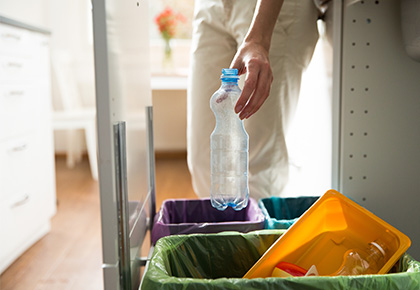
- Source-separated recycling is required: Refuse collection customers must participate in source-separated recycling and separate recyclable materials from trash. Single-stream recycling is permitted, meaning acceptable recyclables may go together in one recycling stream.
- Recycling containers must be available: Buildings covered by the ordinance must provide enough recycling containers in interior and exterior common areas so residents, occupants, visitors, and others lawfully on the property can recycle.
- Containers must be clear and maintained: Recycling containers must be clearly identified, show a written or pictorial list of recyclable materials, be emptied regularly, and be maintained free from odor.
- Permanent signs are required: Covered buildings must post and maintain permanent, legible signs in maintenance areas and common areas notifying people that source-separated recycling is required.
- Resident education is required: Buildings must develop and implement an ongoing education program explaining the recycling program, what can and cannot be recycled, preparation instructions, container locations, hauler information, collection schedule, and a contact person.
- Program changes require notice: Written notice must be provided to existing residents, tenants, and occupants within 10 calendar days of a change to the building’s source-separated recycling program. Learn more in our guide to creating a new association policy.
Do Chicago recycling rules really affect our building?
In most cases, yes. If your Chicago condo, HOA, or high-rise uses private waste service, your building likely needs to follow the city’s recycling rules. That usually means providing clearly marked recycling containers, keeping recycling separate from trash, posting signs, and giving residents basic recycling instructions.Will we be penalized if we don’t comply?
Yes, violators are subject to fines that can range from $500 to $1,000 per offense (Chicago Municipal Code § 11-5-150). Keep in mind that each day you are out of compliance is treated as a separate offense, so the penalty can become steep very quickly.How should our association go about collecting residents’ recyclable items?
Your association will need to obtain designated recycling containers from your private waste hauler. These containers will need to:- Clearly identify that they are recycling containers
- Have a visual or written list of the items that residents can deposit in them
- Be emptied frequently enough to allow uninterrupted recycling
- Remain odor free
What items can residents deposit in recycling containers?
The following items can be deposited in recycling containers:- Aluminum cans, trays, and foil
- Steel and tin cans
- Glass bottles and jars
- Plastic containers depicting the number 1, 2, 3, 4, 5, or 7 on a chasing arrow symbol
- Rinsed beverage containers and aseptic containers
- Paper: office, computer, notebook, and gift wrap (no glitter or metallic paper)
- Newspapers, magazines, catalogues, and telephone books
- Paper bags
- Junk mail and envelopes
- Chipboard and carrier-stock packaging, such as unsoiled food and beverage boxes
- Cardboard
- Paperback books
What items are specifically prohibited?
In addition to any other waste, there are certain items you are prohibited from depositing in recycling containers:- Motor oil, insecticide, herbicide, or hazardous chemical containers
- Clear polystyrene or Styrofoam (#6 plastic)
- Other unauthorized plastic: containers that do not depict one of the approved numbers, plastic sheets, grocery bags, wrap, and tarps
- Expanded foam
- Reusable bottles, such as Nalgene or baby bottles
- Any container or paper fiber not otherwise listed
- Food-soiled paper or cardboard, coffee pods/K-Cups, and overly greasy cardboard
- Tissue paper and napkins
- Landscape waste
What should residents do before recycling items?
Residents should empty and lightly rinse bottles, jars, cans, and food containers before placing them in the recycling bin. Items do not need to be spotless, but they should be free of heavy food residue or liquid. Cardboard boxes should be broken down so containers do not fill too quickly, especially in trash rooms or shared recycling areas.How often should boards review their recycling setup?
Boards should review the building’s recycling setup at least annually or whenever service, occupancy, or resident behavior changes. A review should include container locations, signage, pickup frequency, resident complaints, contamination issues, and hauler feedback.If bins are regularly overflowing or residents are using trash containers instead, the building may need more containers, more effective communication, or a different collection schedule.
Are plastic bags recyclable in Chicago?
Plastic bags should not go in Chicago recycling containers. Residents should place accepted recyclables loose in the bin, not bagged. Plastic bags, plastic wrap, and other soft plastics can get tangled in sorting equipment and may contaminate the recycling stream.Boards should remind residents of this often, especially in high-rises where people may carry recyclables to a trash room in bags.
Where can residents recycle electronics in Chicago?
Electronics should not be placed in regular recycling containers. Chicago residents can use the City’s Household Chemicals and Computer Recycling Facility for accepted electronics and household hazardous materials.The facility accepts items such as computers, monitors, cell phones, compact fluorescent light bulbs, oil-based paints, solvents, and household cleaners. Boards can help residents by sharing the facility information in newsletters, move-out reminders, and resident portals.
About FirstService Residential
As North America’s leading community association management company, FirstService Residential serves Illinois boards and owners with local expertise backed by national resources.This includes support with meetings, recordkeeping, resident support services, financial management, banking and insurance programs, and 24/7 customer care teams. This way, you can focus on long-term goals instead of day-to-day administration.
To learn how we can support your association, contact our Illinois team today.
This information is provided for general informational purposes only and is not intended to constitute, and should not be relied upon as, legal, regulatory, financial, or operational advice, or as a representation or guarantee of any specific services, capabilities, or outcomes. Property management needs, regulatory requirements, market conditions, and available services vary by jurisdiction, property type, and community. FirstService Residential provides services through locally based affiliates and associates, and services and results may vary by community, region, contractual terms, and applicable law.