Tuesday September 29, 2026
Capital improvement projects are often discussed in technical terms: scope, inspections, contractors, funding, sequencing and completion dates. Those details matter. But in a Florida high-rise building, there is another measure boards cannot ignore: how the project feels to residents while it is happening.As many communities balance major restoration projects, reserve funding obligations and long-term building maintenance requirements, resident experience has become an increasingly important part of project success.
Why resident experience matters during Florida high-rise projects
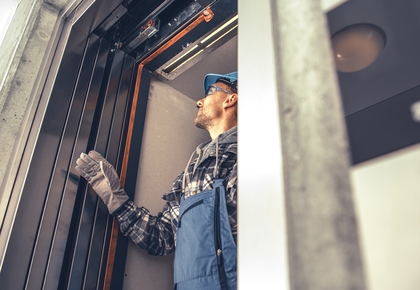 Residents experience major projects through daily touchpoints. They notice how clearly the board communicates, whether the front desk has answers, how elevator or amenity disruptions are handled, whether service standards remain consistent and whether the building still feels cared for during periods of noise, access changes or visible construction.
In many Florida communities, residents are also navigating projects tied to building preservation, safety initiatives and long-term reserve planning. A project may be necessary and well planned, yet still damage trust if the resident experience is not managed thoughtfully.
This is why hospitality-focused frameworks are becoming more relevant to capital project governance. high-rise residents expect more than completed work. They expect coordination, professionalism and communication that acknowledges the disruption while reinforcing confidence in the community. Boards that plan for resident experience early are better positioned to protect trust throughout the project.
"Resident experience has to be part of the project plan from the beginning. Boards should be asking not only what work needs to happen, but how residents will be informed, how service will be preserved and what the onsite team needs to minimize friction."
Hector Vargas, president, high-rise communities in Miami at FirstService Residential
Essential tips for boards protect resident experience during major high-rise projects
Create a communication plan before construction begins
A resident-centered project plan begins with communication. Board members should establish a cadence before work starts: what will be shared, how often updates will be issued, who will answer questions and where residents can find current information. The goal is not to overcommunicate every detail. The goal is to reduce uncertainty by making information predictable and easy to access.FirstService Residential's owner's representative program reinforces the value of a consistent communication cadence. For clients who engage this service as part of a contractual project support arrangement, communication may include weekly meeting minutes, monthly board reports, and town halls, where appropriate, to provide a reliable flow of information and keep stakeholders aligned throughout the project.
This structured approach helps boards communicate more effectively with residents about timelines, budgets, access considerations, and key decisions. In luxury high-rise communities, where resident expectations are often shaped by hospitality-level service standards, that consistency helps minimize uncertainty and build confidence during periods of disruption.
Account for Florida-specific project challenges
Resident experience should also be considered during design and construction planning. Early purchasing decisions, lead-time management, permit coordination, logistics planning, safety protocols and construction phasing can all affect how residents experience the project. In Florida, boards may also need to account for seasonal occupancy patterns, hurricane preparedness considerations and periods of higher resident activity.Boards should ask how project updates will be shared, how front desk and concierge teams will be briefed, how amenity or access impacts will be managed and how the community will know when a project is truly complete.
Technology can support this effort. When resident communications, documents, work notices, amenity reservations or service requests are managed through consistent systems, boards and onsite teams can reduce confusion. FirstService Residential Connect™ and HODA® can be especially relevant when the board needs a more organized way to keep information available and improve transparency during disruption.
Maintain service continuity throughout the project
The second priority is service continuity. In high-rise buildings, front desk, concierge, maintenance, amenity and lifestyle teams are important stabilizing forces during capital work. Residents may tolerate disruption more readily when they feel the building remains attentive and prepared. That means onsite teams need clear talking points, escalation paths and practical details about timing, access changes and resident accommodations."The resident experience is shaped by the basics: whether people know what to expect, whether staff have consistent answers and whether the building continues to feel organized. During major projects, those basics become even more important."
Sheriff Masry, vice president, West Florida high-rise communities at FirstService Residential
Sequence work to reduce disruption for residents
The third priority is sequencing work with resident impact in mind. Boards will always need to consider cost, urgency, contractor availability and technical requirements. But they should also ask how sequencing affects daily life.Does work overlap with peak seasonal occupancy or the return of snowbird residents? Will amenity closures affect key resident groups? Are there opportunities to phase access changes to reduce disruption? How will the building support residents who may have mobility, scheduling or communication needs?
Preserve community engagement during major improvements
Lifestyle and hospitality resources can help boards think through these questions. Tailored lifestyle programming, concierge standards, amenity activation and food and beverage coordination can help preserve a sense of community even when parts of the building are under repair. The point is not to distract from the work. It is to remind residents that the board is planning for both the asset and the people who live there.Measure resident feedback and project performance
Boards should also measure what they can. Resident feedback themes, service request volume, response time, amenity utilization, complaint patterns and budget variance can help boards understand whether the project is creating predictable friction or avoidable frustration. BENCHMARK reporting and operational dashboards can support a more disciplined conversation about performance, cost and communication.To download our 2026 high-rise BENCHMARK report, click here.
Strong project governance supports long-term community value
For high-rise boards, the most effective projects are not only completed. They are governed. That means the board understands the risk, communicates the rationale, coordinates the resources and preserves the resident experience as much as possible. In a building where expectations are high, that discipline becomes part of the community’s value story.Capital improvement work will always involve disruption. But disruption does not have to mean confusion. With the right partner, the right framework and the right communication rhythm, boards can lead through major projects with more confidence and help residents see the work for what it is: an investment in safety, service, quality of life and long-term property value.
Contact us today to learn how you can support your Florida association.
This information is provided for general informational purposes only and is not intended to constitute, and should not be relied upon as, legal, regulatory, financial, or operational advice, or as a representation or guarantee of any specific services, capabilities, or outcomes. Property management needs, regulatory requirements, market conditions, and available services vary by jurisdiction, property type, and community. FirstService Residential provides services through locally based affiliates and associates, and services and results may vary by community, region, contractual terms, and applicable law.