Monday November 17, 2025
What is apartment security?
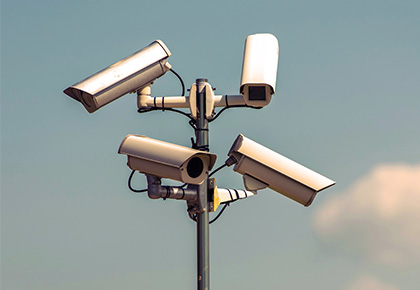 Apartment security refers to the systems, habits, and design features that keep residents, guests, and property safe. It covers everything from locked entry doors and controlled access systems to lighting, cameras, and regular patrols. Apartment security also includes resident awareness, like checking who’s at the door before opening it or keeping valuables out of sight.
Apartment security is important because it protects people, property, and peace of mind. In an urban setting like Washington DC, where buildings vary from historic brownstones to modern high-rises and condominiums, consistent security practices can help reduce risks of theft or trespassing.
Good security also contributes to a stronger sense of confidence among residents. When entrances are controlled and maintenance issues are handled promptly, people feel more comfortable coming and going. From a management perspective, proactive safety measures protect property value and reduce liability exposure.
This article is not intended to and does not constitute legal advice or create an attorney-client relationship. Board members and owners should consult their attorney to discuss the legal implications of their decisions or actions prior to proceeding.
Security tips for your condo or apartment
Whether your community is a high-rise, mid-rise, or garden-style property, these steps can help strengthen safety and peace of mind for residents and management alike. Each of these apartment security tips can be scaled to fit the size and style of your property, making them practical for any type of residential community.-
Check building access points regularly
Doors, gates, and garage entrances are the first line of defense. Regular inspections help catch broken locks, keypads, or hinges before they become weak spots. Property managers should confirm that access systems such as key fobs, intercoms, or card readers work as intended and that outdated codes are deactivated promptly.
-
Use proper lighting in common areas
Good lighting deters unwanted activity and helps residents feel safer after dark. Hallways, stairwells, mailrooms, and parking areas should stay well lit at all times. Burned-out bulbs or motion sensors that fail to activate should be reported right away. Many DC communities are switching to LED lighting for improved visibility and energy efficiency.
-
Secure doors and windows
Strong locks make a major difference. Install and maintain quality deadbolts on entry doors, and keep windows and balcony doors locked, even on upper floors. Reinforcing strike plates and using secondary locks can also help prevent forced entry, particularly in older buildings.
-
Install cameras or video systems
Surveillance cameras in entrances, garages, and mail areas both deter theft and provide helpful evidence if something happens. Modern systems can be monitored remotely, giving management and residents better oversight. Camera placement should balance privacy with coverage of high-traffic areas.
-
Avoid hiding spare keys outside
Even creative hiding spots aren’t secure. Instead of leaving a spare under a mat or planter, consider using a smart lock with temporary access codes or leaving an extra key with a trusted neighbor. This small change eliminates one of the most common apartment security vulnerabilities. If your community uses building-wide access systems, remind residents not to share access codes or key cards with visitors.
-
Get to know your neighbors
Building connections among residents is one of the simplest apartment security tips to put into practice. When neighbors recognize each other, it’s easier to spot something unusual and communicate concerns. A friendly community also promotes accountability, since residents are more likely to report issues quickly when they feel connected to those around them.
-
Report maintenance issues promptly
Broken locks, dim lighting, or malfunctioning access systems can all create opportunities for unauthorized entry. Reporting these issues immediately allows management to address them before they compromise security. Keeping communication open between residents and staff makes a meaningful difference.
-
Use curtains or blinds at night
When lights are on inside, it’s easy for anyone outside to see valuables or personal routines. Closing blinds or curtains after dark protects privacy and helps deter opportunistic theft. This is a simple habit that has a big impact, especially in ground-floor or street-facing units.
-
Don’t hold or open the door for strangers
Most of us don’t want to be rude so we often feel we should let a person into the building who is waiting outside. The person waiting at the security door might look harmless, but looks can be deceiving. As difficult as it is, you should never let someone you don’t know into the building. Every resident is responsible for the security of the building and must be firm about keeping strangers out. If you are asked to buzz someone in, simply say, “I’m sorry, I cannot let you in because I don’t know you. Please contact the person you are here to visit,” and walk away. If you feel threatened or are harassed, call the police.
-
Communicate the details
If you call the police, providing the right information in the right way can speed up the process. Be prepared to give your complete address, and advise how the officer can access the building. If you saw a person or people, be prepared to describe them. What did they look like? What were they wearing? What did they do or say? Where do you think they have gone? Describe any victims and advise the dispatcher if an ambulance and/or an interpreter are needed. Convey any other information that might be helpful, such as suspicious odors, chemicals, or vehicles. The more information the authorities have, the better prepared they will be.
How FirstService Residential can help
At FirstService Residential, we partner with boards, owners, and residents to create safer and better-managed communities across Washington DC. Our property management teams can coordinate building access systems, maintain lighting and surveillance equipment, and support residents with practical apartment security tips they can use every day.A safe building is a happy building. Keep these tips in mind to minimize your residents’ risk and maximize their safety. For more information on apartment security, contact FirstService Residential, North America’s leading property management company.