Friday September 18, 2026
What is preventive maintenance?
Preventive maintenance is the routine inspection, servicing, and repair of building systems before they fail. It may include things like scheduled roof reviews, HVAC service, plumbing checks, fire safety testing, and exterior upkeep.For an HOA or building, preventive maintenance can help extend the useful life of major components and support more reliable budgeting.
Examples of preventive maintenance
The right schedule depends on the property type, age, location, and building systems. Common examples include: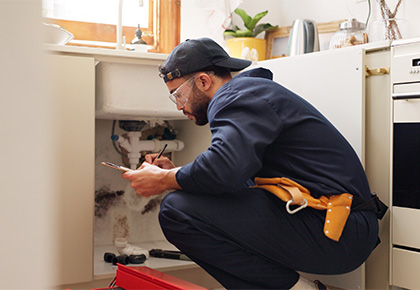
- Roofing and gutters: Inspecting roof surfaces, flashing, drains, and gutters for signs of wear or blockage that could lead to leaks.
- HVAC systems: Scheduling routine service for common area equipment to support reliable performance and reduce the risk of mid-season breakdowns.
- Plumbing systems: Checking valves, supply lines, drains, pumps, and visible piping for leaks, corrosion, or early signs of failure.
- Life safety systems: Testing alarms, emergency lighting, sprinklers, and related equipment according to applicable inspection schedules.
- Exterior surfaces: Reviewing siding, stucco, sealants, paint, and masonry for damage that may allow water to enter the building.
- Foundations and drainage: Looking for settlement, standing water, erosion, or drainage concerns around the property.
- Elevators: Coordinating routine service and required inspections while tracking recurring performance concerns.
- Amenities: Inspecting equipment, water systems, gates, surfaces, security cameras, and surrounding areas based on the property’s operating schedule.
- Landscaping: Trimming trees, managing irrigation, and maintaining grading so vegetation and runoff do not damage buildings or walkways.
- Parking areas: Reviewing pavement, striping, lighting, drainage, and trip hazards before they become more expensive to address.
How often should preventive maintenance be scheduled?
Some tasks may need daily or weekly attention, while others are better handled monthly, seasonally, or annually. For example, pool checks may be frequent, while roof inspections may be scheduled in the spring and fall. A good preventive maintenance calendar separates recurring operational tasks from larger inspections so nothing is overlooked as the year progresses.Preventive maintenance vs. repairs
Preventive maintenance is planned work intended to reduce the chance of failure, while repairs happen after a component is already damaged or no longer working as expected. For example, servicing an HVAC system before summer is preventive maintenance, while replacing a failed compressor during a heat wave is a repair.Both are necessary, but planned service may reduce the likelihood of emergency work.
"The most important thing that people don’t understand about preventive maintenance is that it keeps everything running more efficiently, predictably, and, overall, economically."
Marc Glassman, director of facilities & maintenance for FirstService Residential
How to build a preventive maintenance plan
How can you get started on a preventive maintenance plan? Check out our advice below to get your HOA or building on the right track when it comes to preventive maintenance.-
Understand why it matters.
Glassman said that seemingly small problems can quickly affect large parts of the community, especially when water is involved. For example, “in a high-rise, water is the enemy,” he explained."I know of one building that had six floors of residents displaced because one resident turned his heat off in the winter instead of just turning it down. While he was at work, a sprinkler head in his unit froze and broke off and flooded the unit.
Glassman also explained how the life of equipment can be extended. “Water treatment is one of the most important parts of any system that uses water: boilers, cooling towers, heat pumps. You can spend $200,000 on a new cooling tower and, without water treatment to fight scale, corrosion and biological buildup, it might need to be replaced in five or six years when it should last 20 to 30 years.
An outside contractor replaced the heating unit improperly that definitely contributed to the problem. Water is going to go wherever it can, and in this case, down several floors. At that point, a water mitigation company has to come in and remove flooring and drywall — anything that can hold the water and grow mold."
Anything growing in your cooling towers or boilers can reduce heat transfer and require more energy to run. You also need to professionally test and treat all of those systems for Legionella bacteria, which is common and causes Legionnaires’ disease. It’s spread through the air but starts in water, and it’s easy to prevent.”
In both of these scenarios, the health and well-being of your entire community can be affected by the failure of a single system. That includes the health of your operating budget and reserve fund.
-
Bring in professional help.
It’s a big job, creating and executing a preventive maintenance program for an HOA or building. But you don’t have to go it alone! Enlist the help of experienced professionals with the necessary knowledge and expertise. A quality community association management company like FirstService Residential can be your first line of defense.
It will have access to engineers and in-house maintenance staff, as well as third-party service technicians and community vendors who are experts on specific systems. A professional community association manager will have the ability to execute your plan so schedules are adhered to and manufacturers’ instructions are followed.
If your community is self-managed, find a licensed mechanical engineer to evaluate your equipment and maintenance needs.
-
Remember the upsides.
What can a comprehensive preventive maintenance program do for your community? Check out these benefits:
- Support property values
- Minimize risk for your association
- Allow you to identify and anticipate repair and replacement costs all year long
- Help forecast when major costs need to be factored into your annual budget
- Help reduce the risk of special assessments needed for sudden emergency repairs
- Maintain a happy community
- Keep your community running without inconvenient, surprise disruptions
All of these benefits can greatly impact your association’s operating budget and quality of life for your residents.
- Support property values
-
Stick to an easy-to-follow schedule.
Inspect your entire property or community and document all of the building’s systems, public spaces, private spaces, and structural surfaces. Photograph everything. Create a complete list of components to be inspected and maintained, including those photos. Then, develop a preventive maintenance schedule that’s separated into at least four categories: monthly, quarterly, semi-annually, and annually.
Once you have a complete list of all the equipment and systems within your property or community, you and your team need to do your homework in order to establish a maintenance schedule. Work with the system manufacturers to identify suggested maintenance schedules for equipment to run at maximum efficiency. Then, put your plan into action.
By executing your preventive maintenance plan, you’ll be resting easier knowing you are one step ahead of those fearsome surprise maintenance fiascos.
About FirstService Residential
As North America’s leading property management company, FirstService Residential serves South Carolina HOAs with local expertise backed by national resources.Our teams support board members with meetings, recordkeeping, financial management, resident communication, and 24/7 customer care. This way, board members can focus on long-term goals instead of day-to-day administration.
Contact a member of our team today to learn more about how we can serve your community.
This information is provided for general informational purposes only and is not intended to constitute, and should not be relied upon as, legal, regulatory, financial, or operational advice, or as a representation or guarantee of any specific services, capabilities, or outcomes. Property management needs, regulatory requirements, market conditions, and available services vary by jurisdiction, property type, and community. FirstService Residential provides services through locally based affiliates and associates, and services and results may vary by community, region, contractual terms, and applicable law.