Monday June 15, 2026
What are South Carolina security camera laws?
South Carolina security camera laws generally allow video cameras in shared or public-facing areas where people do not have a reasonable expectation of privacy, such as entrances, parking areas, gates, lobbies, and driveways. Cameras should not be used to view private spaces.Where security cameras should not be placed
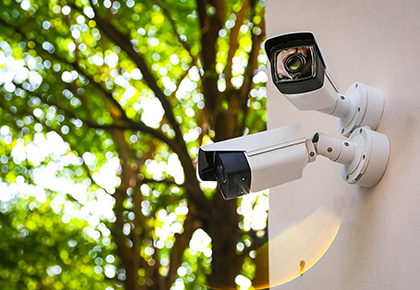 Cameras should not be placed where people reasonably expect privacy. Avoid bathrooms, locker rooms, changing rooms, inside private homes or units, bedrooms, or camera angles aimed into windows.
Even an unintentional view into a private area can create significant issues for the board, so camera angles should be tested before regular use.
South Carolina audio recording laws
South Carolina law generally allows audio recording when the person recording is part of the communication or when one party has given prior consent (S.C. Code Ann. § 17-30-30). However, that does not make common area audio risk-free. Most associations disable audio because residents, guests, vendors, and staff may not expect conversations in shared areas to be recorded.Doorbell cameras and neighbor privacy
Doorbell cameras are common, but they can create privacy concerns in close-living communities. Owners should avoid aiming cameras into a neighbor’s window, patio, fenced yard, balcony, or other private area. Audio settings should also be reviewed.Security camera signs
South Carolina security camera laws do not generally require every HOA or condo association security camera to have signage, but signs can be a good practice. Signs help deter misconduct, set expectations, and reduce claims that residents or guests were surprised by cameras.Video footage access and retention
Boards should decide who can access footage before an incident happens. A good policy should limit access to authorized people, explain how long footage is retained, and define when footage may be shared with law enforcement, insurance carriers, attorneys, or involved residents.South Carolina security camera laws should be considered alongside privacy, records, and governance concerns. Retention periods should be realistic and consistent with the system’s storage capacity.
Tips for board members
-
Start with the purpose
Before adding cameras, define the problem the board is trying to solve. A package theft issue may require a different setup than a gate access concern or parking problem. Clear goals help the board choose camera locations, avoid over-collection, and explain the project to residents in a practical way. A purpose statement can also help guide future decisions if residents request additional cameras. Learn more in our guide to community security.
-
Avoid private views
Camera placement should be reviewed before installation and again after the system goes live. Confirm that cameras do not look into windows, private balconies, fenced yards, bathrooms, locker rooms, or other spaces where privacy concerns are obvious. Adjusting a camera angle early can prevent resident complaints later.
-
Create a written camera policy
A written policy helps residents understand how cameras are used. It should explain camera locations, system purpose, footage access, retention periods, sharing rules, and complaint procedures. The policy should also make clear that cameras are not a guarantee of safety or continuous monitoring.
-
Limit footage access
Not every board member, committee member, or resident should be able to review camera footage. Limit access to designated people with a legitimate reason to view it. This reduces privacy concerns and helps prevent footage from being shared casually or misused.
Typically, a request to access footage is made to the property manager and includes the reason for the request, the timeframe of footage needed, and any specific cameras to be checked. The property manager or security provider should maintain a log of requests and a list of anyone who accessed footage. If the footage needs to be saved, access to the saved footage should be limited to as few people as possible.
-
Communicate with residents
Residents are more likely to support cameras when they understand the reason for them. Explain where cameras will be located, what they are intended to address, and how privacy will be protected. Use plain language for more effective communication and avoid making guarantees that the association cannot realistically keep.
-
Review vendor and technology choices
Security camera systems vary widely. To find the right vendor, boards should ask about image quality, storage, cybersecurity, access controls, maintenance, warranties, and whether audio is enabled by default. A cheaper system may cost more later if footage is unreliable or not secure enough for community use.
-
Coordinate with legal counsel
South Carolina security camera laws involve privacy, audio recording, governing documents, and enforcement issues. Boards should involve association counsel before installing cameras in sensitive locations or using footage for violations. Legal review is especially important for condos, high-rises, mixed-use buildings, and communities with frequent resident complaints.
-
Keep the policy current
Camera systems change over time. New cameras may be added, old cameras may stop working, and storage settings may change. Review the camera policy periodically so it matches the actual system. A policy that no longer reflects reality can create confusion when an incident occurs.
About FirstService Residential
As North America’s leading property management company, FirstService Residential serves South Carolina HOAs with local expertise backed by national resources. Our teams support board members with meetings, recordkeeping, financial management, resident communication, and 24/7 customer care. This way, board members can focus on long-term goals instead of day-to-day administration.Contact a member of our team today to learn more about how we can serve your community.
This information is provided for general informational purposes only and is not intended to constitute, and should not be relied upon as, legal, regulatory, financial, or operational advice, or as a representation or guarantee of any specific services, capabilities, or outcomes. Property management needs, regulatory requirements, market conditions, and available services vary by jurisdiction, property type, and community. FirstService Residential provides services through locally based affiliates and associates, and services and results may vary by community, region, contractual terms, and applicable law.