Tuesday October 06, 2026
What is HOA security?
HOA security refers to the policies, services, technology, and physical improvements a homeowners association may use to help protect common areas and support resident safety. Depending on the community, that can include things like controlled entrances, cameras, lighting, security patrols, visitor procedures, and emergency preparedness planning.What HOA security measures can a community use?
Common HOA security measures can include: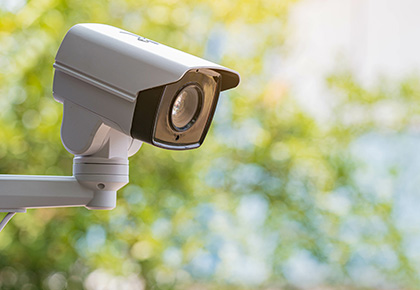
- Access control: Gates, electronic fobs, key cards, intercoms, keypads, visitor management systems, and other controls that limit access to certain common areas.
- Security cameras: Cameras placed around entrances, parking areas, lobbies, amenities, or other association-controlled areas when appropriate.
- Security patrols: Some communities hire security officers to patrol common areas on foot or by vehicle.
- Lighting: Well-maintained exterior lighting can improve visibility around walkways, parking areas, entrances, and amenities.
- Landscaping: Trimming vegetation around entrances, paths, lighting, and other areas can help maintain clear sightlines.
- Emergency procedures: Communities can establish procedures for reporting suspicious activity, contacting emergency services, managing access during an incident, and communicating with residents.
Can a New Jersey HOA install security cameras?
An association may be able to install cameras in association-controlled areas when its governing documents and New Jersey HOA laws allow it. Common locations can include entrances, parking facilities, clubhouses, amenity areas, and other shared spaces.Before installing cameras, the board should determine what problem the system is intended to address. Camera placement, recording capabilities, access to footage, retention periods, vendor access, signage, and resident privacy should all be considered as part of the HOA security plan.
Is it legal for security cameras to record audio?
It is uncommon for boards to install security cameras that record sound, as this introduces other legal and privacy concerns. If residents, guests, or staff are unaware that their conversations are being recorded, even if these conversations take place in a common area, they could argue that they were subjected to unlawful eavesdropping.If audio recording is necessary, consult with an attorney for specific advice on whether it can be implemented lawfully.
When should an HOA consider security patrols?
Security patrols may make sense when a community has large common areas, controlled entrances, parking facilities, amenities, or recurring concerns that require an on-site presence. The board should first define what it expects the security provider to do, such as monitoring access, documenting incidents, or patrolling certain areas.New Jersey regulates private security officers through the Security Officer Registration Act, so boards should confirm that security companies and personnel meet applicable state requirements before hiring them.
Can homeowners install their own security cameras?
A homeowner’s ability to install an exterior camera or video doorbell may depend on where the equipment will be installed and what the association’s governing documents allow.For example, installing equipment on an owner’s property may raise different issues than attaching it to a condominium common element or altering an association-maintained exterior. Boards should apply architectural and modification procedures consistently and have association counsel review rules that affect cameras, privacy, or common property.
How often should an HOA review its security plan?
An HOA security plan should be reviewed regularly, especially after a major incident, a change in vendors, new HOA communication technology, or a significant change to the property. An annual review can help the board spot outdated procedures, broken equipment, and gaps that may have developed over time.The goal is not to rebuild the plan every year, but to check that it still reflects how the community operates today.
How to improve HOA security
Effective HOA security usually starts with understanding the property rather than purchasing more equipment. Boards can regularly review the community and make improvements based on actual conditions.A practical review may include:
- Walk the property at different times: Look at lighting, sightlines, entrances, parking areas, amenities, gates, doors, and places where visibility is limited.
- Review recent incidents: Look for patterns rather than reacting to one isolated event. Repeated vehicle break-ins, unauthorized amenity access, or malfunctioning doors may point to different solutions.
- Check existing systems: Confirm that cameras, gates, intercoms, locks, lighting, and access credentials still work as intended.
- Review vendor responsibilities: Confirm that security, maintenance, and technology providers understand who is responsible for reporting and addressing problems.
- Keep residents informed: Explain procedures clearly, including how to report non-emergency issues and when residents should contact police or emergency services directly.
- Review insurance and governing documents: Before making substantial changes, boards should understand their authority and any approval requirements.
How a property management company can support HOA security
A property management company can help turn the board’s HOA security decisions into consistent day-to-day action. For example, the manager can coordinate with security vendors, follow up on gate or lighting repairs, track recurring concerns, and clearly communicate board-approved procedures to residents.FirstService Residential Connect™ gives authorized users secure access to community information, while ResidentAlert helps managers quickly share updates about security concerns, weather, outages, and other urgent situations.
About FirstService Residential
As North America’s leading property management company, FirstService Residential serves New Jersey boards and owners with local expertise backed by national resources. Our teams offer support with HOA meetings, recordkeeping, financial management, banking and insurance programs, resident communication, and 24/7 customer care teams. This way, board members can focus on long-term goals instead of day-to-day administration.With more than 25 years of experience in New Jersey, we help HOAs, condo associations, high-rises, and master-planned communities operate smoothly and meet their goals with confidence. To learn how we can support your association, contact our New Jersey team today.
This information is provided for general informational purposes only and is not intended to constitute, and should not be relied upon as, legal, regulatory, financial, or operational advice, or as a representation or guarantee of any specific services, capabilities, or outcomes. Property management needs, regulatory requirements, market conditions, and available services vary by jurisdiction, property type, and community. FirstService Residential provides services through locally based affiliates and associates, and services and results may vary by community, region, contractual terms, and applicable law.