Friday December 05, 2025
This article is not intended to and does not constitute legal advice or create an attorney-client relationship. Board members and owners should consult their attorneys to discuss the legal implications of their decisions or actions prior to proceeding.What are lead inspections?
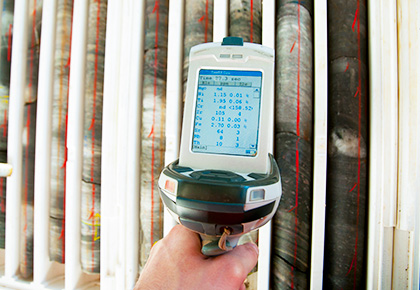
Lead inspections in Rhode Island examine properties built before 1978 to check for lead-based paint and other lead hazards. Inspectors look for things like peeling paint, deteriorated surfaces, dust, or soil contamination that could expose occupants to lead. Licensed inspectors may use tools like X-ray fluorescence analyzers, paint chip testing, dust wipe sampling, and soil sampling to document hazards.Lead inspection process in RI
The lead inspection process in RI begins when a homeowner or landlord schedules a qualified, licensed lead inspector. The inspector starts with a visual review of all painted surfaces, trim, doors, windows, stair treads, and any areas showing damage, friction, or wear.Next, the inspector may perform tests of these areas or assume all surfaces are lead-based and evaluate their condition. After testing and review, if the property meets the requirements set by Rhode Island’s laws and regulations, the inspector issues a certificate, such as a Certificate of Lead Conformance (CLC). If hazards are found, the owner receives a notice of violation and a timeline (often 30 to 90 days) to correct the issues.
 It’s important for property owners to understand that inspectors follow strict state protocols when determining compliance. Every inspection must be documented and submitted according to Rhode Island Department of Health (RIDOH) standards. If an issue is identified, owners should work only with licensed professionals to make corrections. Self-performed work without proper safety measures can make conditions worse and may invalidate inspection results. Keeping communication open with both inspectors and contractors helps the process move efficiently from inspection to certification.
Finding a qualified property manager can help make this process easier. A good manager can coordinate inspections, schedule contractors, and support compliance with state regulations.
What happens after a failed lead inspection
If a property fails a lead inspection in Rhode Island, it does not necessarily mean the home is unlivable, it simply means corrective steps are needed. When a licensed inspector identifies lead hazards, the owner receives a written notice outlining the problem areas and a deadline to fix them. This typically includes things like peeling paint, dust accumulation, or friction surfaces like window frames. Owners should hire qualified contractors or certified lead abatement professionals to complete the work.Once repairs are made, a reinspection confirms that the hazards are gone and a new CLC can be issued. Lead inspections in RI are designed to prompt remediation, not punishment. Taking quick action after a failed inspection protects both residents and property owners, and it often costs less to fix issues early than to face enforcement penalties or tenant claims later.
Local laws
There are a few key laws related to lead inspections in RI, including recent updates changing how the regulations apply:- Chapter 42-128.1: This statute requires rental properties built before 1978 to undergo lead inspections and obtain a CLC or other approved evidence of compliance.
- Lead hazard mitigation regulations: These rules define how inspections are conducted, when dust and paint sampling are required, how long a CLC is valid (usually 2 years or until unit turnover), and what owners must do when hazards are found.
- Section 34-18-58: Effective June 20, 2023, landlords must register properties and CLCs with the RIDOH by certain deadlines.
- 2023-S 0656A/2023-H 5946A amendments: These bills remove the exemption for owner-occupied two- and three-unit dwellings as of January 1, 2024, meaning those properties built before 1978 will now fall under inspection requirements even if owner-occupied.
- Revised penalties and renter protections: Under recent law changes, tenants may have the right to escrow rent through court if a current CLC is missing, and penalties for violations have increased to double or triple damages plus attorney’s fees.
Preparing for a lead inspection
Homeowners can take several practical steps to prepare for lead inspections in Rhode Island. Before scheduling an inspection, it’s helpful to check painted surfaces around windows, doors, trim, and railings for peeling or chipping paint. Cleaning floors, window sills, and entryways with a damp cloth or mop can help reduce dust that might interfere with testing.Property owners should also confirm that inspectors have access to all rooms, storage areas, and the basement. If repairs have recently been completed, keep documentation handy to show the type of work performed and who completed it. A well-prepared inspection often means a faster, smoother process and fewer repeat visits. Homeowners should avoid more than limited “spot removal” or any paint disturbance, but simple preparation helps inspectors do their job effectively and gives owners a clearer picture of the property’s overall condition.
Exemptions
There are exemptions to the requirement for lead inspections in Rhode Island. Lead inspections in RI may not be required for certain properties, even if built before 1978, when specific conditions apply. Examples of exemptions may include housing limited to persons age 62 or older, or temporary/seasonal rental properties rented for no more than 100 days per calendar year to the same tenant. Even when exempt, it’s important to monitor conditions for peeling paint, deteriorated surfaces, or other hazards. Being exempt does not mean being immune from lead risk.About FirstService Residential
At FirstService Residential, we help Rhode Island property owners and community association board members navigate the complexities of lead inspections and ongoing property maintenance with confidence. Our local experts can help coordinate every step of the process, from scheduling licensed lead inspectors to maintaining records, tracking certification deadlines, and integrating inspection results into broader maintenance and compliance plans.With more than three decades of experience in Rhode Island property management, we understand the importance of creating safe, well-maintained environments that protect both residents and property values. Our teams provide proactive support for everything from vendor coordination to financial management, helping boards and homeowners stay organized and compliant year-round.
Whether you manage a condominium, multi-unit property, or single-family community, we bring the local insight and hands-on care that make a difference. Contact FirstService Residential today to learn how our Rhode Island property management team can support you.