Wednesday November 12, 2025
Security camera laws in Massachusetts
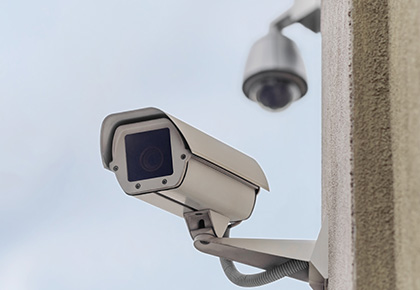 While there is no law explicitly governing security cameras in rental residential properties, landlords must still comply with state privacy and recording laws. Under Massachusetts General Laws, Chapter 214, Section 1B, individuals are protected against unreasonable invasion of privacy, which means cameras cannot be placed in areas where tenants have a reasonable expectation of privacy, such as bedrooms, bathrooms, or inside an apartment unit. Additionally, Chapter 272, Section 99 makes Massachusetts a two-party consent state, prohibiting audio recording unless all parties being recorded have given consent.
This article is not intended to and does not constitute legal advice or create an attorney-client relationship. Board members and owners should consult their attorney to discuss the legal implications of their decisions or actions prior to proceeding.
Pros and cons of security cameras in rental properties
The decision to install security cameras for rental properties comes with benefits as well as concerns that landlords should weigh carefully.Pros:
- Cameras can deter theft, vandalism, and unauthorized activity around the property.
- Recordings can provide documentation in the event of disputes or incidents.
- Tenants often feel safer knowing that entrances are monitored.
- For multifamily buildings, cameras can help monitor common areas like lobbies, gyms, or laundry rooms.
Cons:
- Installation and maintenance costs can be significant, especially for high-quality systems.
- Improper placement or unclear policies about surveillance may create legal or privacy issues.
- Some tenants may feel uncomfortable with any form of monitoring, which could affect rental appeal.
- Managing and storing video data securely adds an extra layer of responsibility for landlords.
Security camera placement
When it comes to security cameras for rental properties, placement is one of the most important legal considerations.Landlords sometimes place cameras in:
- Exterior doors and entrances
- Parking areas and garages
- Hallways, stairwells, and lobbies
- Shared amenities like gyms or pools
- Tenant units
- Bedrooms or bathrooms
- Any area where tenants or guests would reasonably expect privacy
How landlords should disclose cameras
Landlords should disclose security cameras for rental properties to tenants, ideally in the lease agreement. Written disclosure should include where the cameras are located and what areas they monitor. Providing this information upfront avoids misunderstandings and builds trust with tenants. If cameras are added after the lease is signed, landlords should provide written notice.Best practices for using security cameras
Installing security cameras for rental properties is most effective when paired with consistent management practices. Landlords and property managers in Massachusetts should consider:- Choosing visible, durable cameras placed only in legal locations.
- Disabling audio recording features.
- Using clear signage in common areas to remind residents that video monitoring is in place.
- Storing footage securely and for a limited time, consistent with stated policies.
- Regularly maintaining equipment to prevent malfunctions.
Tenant-installed devices
Tenants sometimes want to install their own security cameras inside their units. In Massachusetts, tenants generally have the right to set up security cameras inside their rental unit, as long as the cameras are only used in their personal space and do not damage the property. Landlords may set reasonable restrictions in the lease, such as prohibiting installation that alters walls or wiring. Tenants should avoid enabling audio recording unless every recorded party has consented to this.Outdoor or shared-space cameras installed by tenants can be more complex, because those areas are under landlord control. Tenants should always request permission before placing devices outside their unit.
FAQs about security cameras for rental properties
Can tenants install security cameras in Massachusetts?
Yes, tenants may be able to install security cameras inside their rental unit as long as they don’t damage the property or violate an existing agreement and only record their own space.Can landlords install security cameras on my rental property?
Yes, landlords may be able to install cameras on the exterior of the building or in common areas of the building, but they should not install cameras inside a tenant’s unit or in any area where there is a reasonable expectation of privacy.Can my neighbor have a camera pointed at my house?
Neighbors may install cameras on their property, but they cannot intentionally invade your privacy. If a camera is pointed directly into private areas of your home, such as windows or backyards, it may be a violation of privacy laws.Do security cameras for rental properties record audio?
Typically, no. Since Massachusetts is a two-party consent state, audio recording requires explicit agreement from everyone being recorded. Most landlords avoid audio recording entirely for this reason.Are hidden cameras legal inside Massachusetts rental properties?
Landlords may not place cameras in areas where tenants have a reasonable expectation of privacy. While landlords aren’t explicitly required to disclose the presence of outdoor surveillance cameras, it’s considered best practice to inform tenants. All cameras should be visible, disclosed, and limited to lawful locations.Why landlords turn to professional management
Security cameras for rental properties are just one part of protecting communities and keeping residents comfortable. At FirstService Residential, we help landlords and associations manage these decisions by coordinating vendors, reviewing compliance with state laws, and maintaining clear communication with residents. With our support, boards and owners don’t have to navigate complex security issues alone.Contact FirstService Residential today to learn more about how we can help your property stay safe, compliant, and well-managed.