Thursday October 23, 2025
The importance of apartment safety
Apartment safety in Delaware is critical for protecting residents, maintaining property value, and meeting legal obligations under the Delaware Landlord-Tenant Code. For landlords and property managers, a focus on safety reduces liability, strengthens tenant retention, and builds confidence in the property. Apartment safety is about creating a living environment where risks are minimized and residents feel secure.This article is not intended to and does not constitute legal advice or create an attorney-client relationship. Board members and property owners should consult their attorney to discuss the legal implications of their decisions or actions prior to proceeding.
Apartment safety tips
-
Change locks between tenants
One of the most important apartment safety practices is rekeying or replacing locks when a new tenant moves in. This step eliminates the risk of former residents, or anyone they shared keys with, accessing the property. Property managers should also check that deadbolts are in place and functional, as required under Delaware law. Some landlords now go further by investing in electronic locks or smart entry systems, which allow codes to be changed quickly without the cost of replacing hardware. This type of upgrade not only improves safety but also appeals to renters who value modern convenience.
-
Keep common areas well-lit
Lighting is an essential safety measure. Well-lit entrances, hallways, stairwells, parking areas, and laundry rooms help deter unwanted activity and reduce trip-and-fall risks. Landlords should schedule regular inspections to identify burnt-out bulbs and consider upgrades such as motion-sensor or LED fixtures to improve reliability and lower costs over time. Emergency lighting should also be reviewed regularly, since power outages can create safety concerns if stairwells and exits are not properly illuminated. Documenting lighting inspections shows due diligence if questions arise about property conditions.
-
Maintain parking lot security
Apartment safety extends to parking areas. Property managers can improve security by monitoring garage gates, checking that access systems work properly, and posting clear signage about parking assignments. Addressing complaints about broken lighting or unauthorized vehicles quickly helps keep these spaces safe and orderly. In larger complexes, some landlords install security cameras or hire patrol services to monitor garages during peak hours. While this may represent an investment, many residents view safe, reliable parking as a top priority when choosing a rental property.
-
Manage package deliveries
As online shopping continues to grow, residents often expect some form of package management. But package theft is a growing concern in multi-unit properties. Property managers can support apartment safety by providing secure package lockers, setting up a package room with restricted access, or designating a staffed office pickup system. Communities that provide this service not only reduce theft but also add a level of convenience that helps with tenant retention.
-
Test fire and carbon monoxide alarms
Property managers should schedule routine inspections, replace batteries where needed, and keep records of testing. Adding building-wide fire drills or distributing emergency information can also strengthen apartment safety by preparing residents to respond quickly. Properties with amenities such as gyms, pools, or clubhouses should include those spaces in fire safety planning, since alarms and extinguishers must be accessible in every part of the building.
-
Monitor shared spaces
Common areas such as gyms, clubhouses, and laundry rooms need consistent oversight. Property managers should establish clear rules for use, post signage, and monitor access where appropriate. Keeping these spaces clean, well-lit, and maintained contributes to overall apartment safety while also protecting the property’s reputation. Residents notice quickly when shared spaces are neglected, and poor upkeep can send the wrong message about a community’s overall safety. Regular walkthroughs help managers spot small issues before they become bigger risks.
-
Control building access
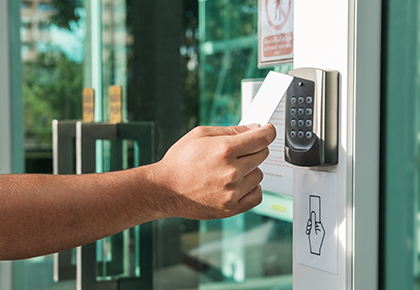
Access management is central to apartment safety. Landlords should keep tight control over keys, fobs, and codes, and have policies in place for lost or duplicated credentials. Intercoms and directory listings should be maintained carefully, and residents reminded not to admit unknown visitors. A layered security approach makes unauthorized access less likely. Some properties are also investing in visitor management systems, which track and timestamp guest entries. These tools provide accountability and make it easier to resolve disputes or security concerns if they arise.
-
Protect valuables in visible areas
Landlords can reduce theft risks by discouraging residents from storing bikes or personal items in hallways and recommending secure bike racks or storage rooms. Property managers can also improve safety by installing cameras in lobbies or garages, providing both deterrence and documentation if incidents occur.
-
Build resident awareness
Apartment safety is most effective when residents know what’s expected of them. Property managers should share reminders about reporting suspicious activity, respecting quiet hours, and following fire safety rules. Hosting occasional safety meetings or including safety tips in newsletters can reinforce good habits without feeling heavy-handed.
-
Require renter’s insurance
Requiring tenants to carry renter’s insurance protects both the tenant and the landlord. In addition to covering personal belongings, many policies include liability coverage that applies if a tenant accidentally causes damage (such as fire or water damage). Making renter’s insurance a lease requirement is an easy way to add an extra layer of protection.